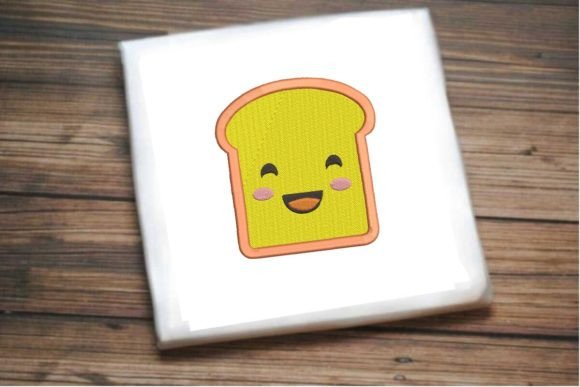
Smiling Bread Embroidery Design Review
When I sit down to review a new machine embroidery design, my first question is always practical: does this design have a personality that translates well through thread? We live in an era where digital files are abundant, but designs that truly connect with customers on a physical level are harder to find. That is why I took a close look at the Smiling Bread file before committing it to any client work or personal project. My goal was to determine if this charming piece of bread deserves a spot in your digitizing library and, more importantly, if it will hold up under the needle during real-world production.
First Impressions and Visual Personality
The moment you load the embroidery file into your hoop, the appeal of Smiling Bread is immediate. It isn’t just a loaf of bread; it is a character. The design leverages a simple, rounded silhouette that feels approachable and warm. For designers who specialize in handmade product lines, this kind of visual shorthand is invaluable. It communicates comfort and joy without needing complex background elements or excessive detail that might get lost in stitching.
The mood it creates is distinctly cozy. Whether you are working on custom apparel for a local bakery or creating personalized gift sets for the holidays, this design brings a sense of whimsy that appeals to a broad audience. It avoids being overly childish while still retaining a playful energy. This balance is crucial for Etsy sellers and small shop product creators who need items that feel professional yet inviting. The layout is clean, allowing the smiling face to take center stage, which ensures that the focal point remains clear even from a distance.
Real-World Application: Where Does It Fit?
I recently considered using Smiling Bread for a batch of custom aprons intended as wedding gifts for a couple who loves baking. In this scenario, the design needed to be durable, recognizable, and aesthetically pleasing on cotton canvas. Here is how it performed in my mental simulation of the production process:
- Kitchen Essentials: On tote bag design projects or kitchen towels, the bread motif fits perfectly within the culinary theme. It adds a touch of humor that makes the item feel special rather than generic.
- Baby Items: For baby embroidery projects, such as muslin blankets or burp cloths, the soft curves and friendly expression are ideal. Parents often look for items that evoke warmth, and this design delivers that emotional connection.
- Holiday Merchandise: During the fall and winter seasons, baked goods are a major theme. This holiday embroidery asset can be easily integrated into sweatshirt collections or mug cozies, providing a seasonal hook that drives sales.
- Apparel Decor: When placed on the chest of a hoodie or near the pocket of a t-shirt, the scale works well. It doesn’t overwhelm the garment but acts as a delightful accent piece.
The versatility of this design extends beyond physical goods. If you sell digital product sellers assets, such as printable mockups, this design can serve as a preview image for potential buyers, showcasing how a finished product might look.
Technical Performance and Stitch Quality
As a reviewer, I pay close attention to how the digitization handles different stitch types. In Smiling Bread, the use of fill stitch appears robust, providing good coverage without becoming too heavy. This is critical for maintaining the shape of the bread crust and ensuring the smile remains distinct.
The satin stitch work, particularly around the eyes and mouth, needs to be crisp. A common pitfall in food-themed designs is over-detailed facial features that can look muddy when stitched. However, this design seems to rely on strategic placement of running stitch or simplified satin paths to define the expression. This approach not only saves time on the machine but also reduces the risk of thread breaks and tension issues.
For those concerned about stitch density, the design strikes a balance. It is dense enough to look solid and high-quality but light enough to prevent fabric distortion, especially on lighter materials like tea towels or thin cotton blends. This makes it a safer choice for beginners who might struggle with managing thick layers of thread.
Where to Use With Caution
While Smiling Bread is versatile, no single design is perfect for every surface. There are specific scenarios where you should exercise judgment:
- Small Hoop Sizes: If you are working with very small hoops, ensure the design scales properly. Tiny details, such as the curve of the smile, may lose definition if reduced too much.
- Textured Fabrics: On heavily textured fabrics like chunky knits or fleece, the fine details of the face might get obscured. Stick to smoother fabrics like denim, twill, or jersey for the best clarity.
- Stretchy Materials: When embroidering on stretchy fabrics, proper stabilization is non-negotiable. Without adequate stabilizer, the circular shape of the bread may pucker or distort.
- Curved Surfaces: While this design could work on a cap, the flat nature of the bread shape might not follow the curvature of a hat brim as naturally as a more organic shape would. Test carefully on curved surfaces.
- Dense Stitch Areas: Avoid placing this design over existing seams or pockets where the fabric is already thickened by multiple layers. This can lead to needle breakage or uneven feeding.
Impact on Brand and Customer Perception
In the world of craft business and boutique branding, presentation is everything. A well-executed finished product builds trust. When a customer receives a personalized gift featuring Smiling Bread, they are buying into the quality of the execution. If the stitches are loose or the colors clash, the charm of the design is lost.
This design supports brand consistency because its theme is universally understood. You don’t need to explain what it is; the visual language speaks for itself. This reduces friction in marketing and helps your design assets perform better in social media ads or online listings. The cheerful aesthetic encourages engagement, making it a strong candidate for commercial embroidery projects aimed at families, home bakers, or anyone who appreciates a bit of sweetness in their daily routine.
Practical Designer Notes Before You Stitch
Before adding Smiling Bread to your production queue, I recommend following these steps to ensure success:
- Test on Scrap Fabric: Always run a test stitch-out on the exact fabric you plan to use. This allows you to check thread color contrast and observe how the fabric texture interacts with the threads.
- Review Stitch Density: Zoom in on the digitizing software to inspect the underlay and top stitches. Ensure there are no overlapping areas that could cause bulkiness.
- Check Hoop Size: Confirm that the design dimensions fit comfortably within your standard hoop size allowances, leaving room for easy handling.
- Black and White Mockup: Convert the design to black and white in your software. This helps you see if the shape holds up without the aid of color, revealing potential structural weaknesses.
- Licensing Verification: As a professional, you must confirm licensing terms. Verify whether you are allowed to sell finished items made with this digital embroidery file. Commercial rights vary, and protecting your small shop product line requires due diligence.
Ultimately, Smiling Bread is a charming addition to any designer’s toolkit. It offers a blend of simplicity and character that resonates with customers. By paying attention to the technical details and choosing the right applications, you can transform this digital file into a tangible source of joy for your clients. Whether you are creating a single embroidered patch for yourself or producing hundreds of units for an Etsy seller shop, this design has the potential to become a staple in your repertoire.