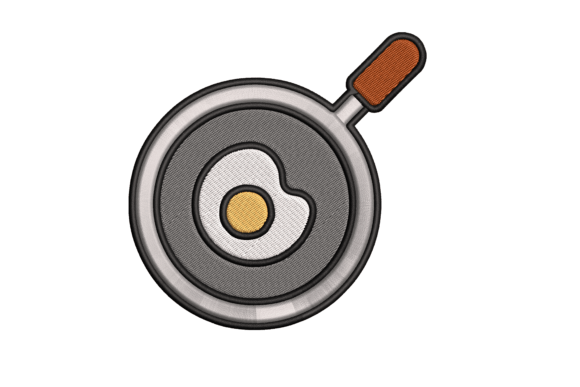
Omelet Embroidery Design Review for Boutique Apparel
As an embroidery designer who spends countless hours evaluating digitized files for quality, aesthetic appeal, and commercial viability, I am always on the lookout for designs that can elevate a simple garment into a statement piece. Recently, I came across Omelet, a creative fabrica embroidery product categorized under Food. At first glance, it might seem like a whimsical addition to a kitchen-themed collection, but after analyzing its potential for broader apparel applications, I see something much more versatile. This review explores how Omelet can be integrated into boutique apparel projects, particularly for those looking to create unique sweatshirt embroidery pieces, hoodie design accents, or custom apparel that stands out in a crowded marketplace.
First Impressions: Visual Personality and Mood
When you first load the Omelet embroidery file into your software, the immediate takeaway is its adorable charm. The intricate details suggest a high level of care in the digitization process, which is crucial for maintaining clarity when stitched onto various fabrics. The visual personality of this design leans towards playful and cute, yet it retains a certain rustic elegance that makes it suitable for more than just children’s wear.
The decorative strength of Omelet lies in its balance. It is not overly bold or aggressive, nor is it so minimal that it disappears on larger garments. Instead, it strikes a perfect middle ground, making it ideal for lifestyle product photos where the focus is on cozy, inviting aesthetics. For a handmade product enthusiast or an Etsy seller, this design offers a professional presentation that feels both trendy and classic. The stitch density appears well-calibrated, ensuring that the design holds its shape without becoming too stiff or heavy on the fabric texture.
Applying Omelet to Your Collection
One of the most exciting aspects of working with Omelet is its adaptability across different types of custom apparel. Here is how I envision using this machine embroidery design in a real-world boutique setting:
- Sweatshirt Embroidery: This is perhaps the strongest use case. Placing Omelet on the chest of a neutral-colored sweatshirt creates an instant focal point. The contrast between the soft fleece of the garment and the structured stitches of the design adds depth and interest. It works exceptionally well for oversized garments, where the design can be scaled up slightly to fill the space without overwhelming the wearer.
- Hoodie Design Accents: Beyond the main chest placement, Omelet can serve as a subtle accent on the sleeve or near the hem. A small, refined version of the design on the cuff of a hoodie adds a touch of sophistication. Alternatively, placing it on the back of a pastel hoodie can create a striking visual that appeals to younger demographics looking for unique streetwear.
- Tote Bag Design: For those expanding into accessories, Omelet translates beautifully to canvas tote bags. The food theme resonates well with shoppers at farmers' markets or coffee shops, making it a practical yet stylish accessory. As a digital embroidery file, it allows for quick production runs, perfect for pop-up shops or online sales events.
- Denim Jackets: Upcycled denim is a huge trend right now. Adding Omelet to the back panel of a denim jacket gives it a personalized, artisanal feel. The sturdy nature of denim can support the stitch density well, resulting in a durable finished product that customers will want to wear repeatedly.
Visual Consistency and Brand Identity
Incorporating Omelet into your brand identity requires thoughtful consideration of thread colors and fabric choices. For a boutique brand aiming for a cohesive look, selecting thread colors that complement the base garment is essential. On dark garments, lighter thread colors will make the intricate details pop, while on light or white apparel, darker threads can provide a sophisticated, understated elegance. This attention to detail enhances buyer trust and product recognition, signaling to customers that the item is a premium handmade product.
Practical Considerations for Production
While Omelet shows great promise, there are several practical steps every embroiderer should take before committing to full-scale production. These notes are drawn from experience working with similar commercial embroidery projects:
- Test on Scrap Fabric: Always start by stitching Omelet on a scrap piece of the same fabric you plan to use for the final garment. This helps you assess how the design interacts with the material’s stretch and weave.
- Check Stabilizer Choice: The choice of stabilizer is critical, especially for stretchy fabrics like jersey or fleece. A cut-away stabilizer is often recommended for knitwear to prevent distortion during washing and wearing.
- Review Thread Color Contrast: Ensure that the thread colors chosen provide enough contrast against the garment fabric. Low contrast can cause the intricate details of Omelet to get lost, diminishing the overall impact.
- Confirm Hoop Size: Verify that the hoop size required for the design fits comfortably within the available space on your chosen garment. Poor placement due to hoop limitations can ruin the aesthetic appeal.
- Inspect Stitch Density: While the initial preview looks good, closely inspecting the stitch density in your software can reveal areas that may be too dense for certain fabrics, potentially causing puckering.
Where to Use Omelet Carefully
Not every location on a garment is suitable for every design. With Omelet, there are specific areas where caution is advised:
- Small Chest Placement: If the design is large, placing it too high on the chest can look unbalanced. Ensure the proportions align with the wearer’s torso.
- Dense Stitch Areas: Avoid placing dense sections of the design over seams or areas that require significant flexibility, such as the shoulders or elbows.
- Ribbed Fabric: Ribbing stretches significantly, which can distort the shape of the embroidery. If you must embroider on ribbed cuffs or collars, consider reducing the scale of the design.
- Curved Surfaces: Embroidering on curved surfaces like the side of a hat or a rounded bag corner can be challenging. Test these placements thoroughly to ensure the design remains legible and attractive.
Enhancing Commercial Value
Using Omelet in your product line can significantly affect your brand’s perceived value. In the competitive world of Etsy sellers and small shop products, unique designs are key to standing out. By offering items featuring Omelet, you provide customers with a sense of exclusivity and personalization. This can lead to higher customer engagement and repeat business, as buyers appreciate the effort put into creating visually consistent and professionally presented items.
Furthermore, creating printable mockups of Omelet on various apparel items can help you market your products effectively on social media graphics and online listings. These visuals allow potential buyers to visualize the finished product, increasing the likelihood of a sale. Whether you are targeting crafters, digital sellers, or creative entrepreneurs, Omelet offers a flexible solution for expanding your catalog with high-quality, appealing designs.
Final Thoughts
Omelet is more than just a food-themed embroidery design; it is a versatile tool for any embroidery designer looking to add charm and character to their boutique apparel collections. Its intricate details and adaptable nature make it suitable for a wide range of projects, from cozy sweatshirts to stylish tote bags. By following best practices for fabric selection, stabilizer use, and placement, you can create professional-grade finished products that resonate with your audience. Remember to check Creative Fabrica product details and licensing before selling finished apparel to ensure compliance and protect your business. With careful execution, Omelet can become a standout piece in your repertoire, helping you build a loyal customer base and grow your handmade business.