Lemon Ice Cream Embroidery Review
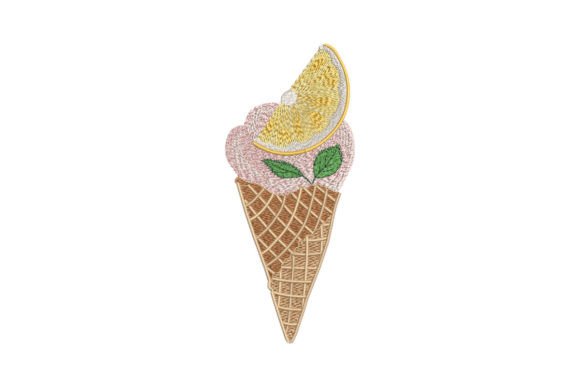
As an embroidery designer who spends weekends hunched over a table at craft fairs, I know that the difference between a design that sits on the hoop and one that sells out by noon often comes down to visual impact and practical application. When I first looked at the Lemon Ice Cream design, my immediate reaction was one of seasonal urgency. It is not just a pretty picture; it is a mood. The description—crispy waffle cone, sweet cold ice cream with berry filling, fresh mint leaves, and a slice of lemon—paints a vivid picture of relief on a hot July day. For any Etsy seller or boutique maker looking to capitalize on summer trends, this machine embroidery design offers a compelling narrative that resonates with customers seeking refreshment and joy.
First Impressions: Bold, Fresh, and Appetizing
The Lemon Ice Cream concept strikes a perfect balance between rustic charm and modern vibrancy. It feels less like a static illustration and more like a snapshot of a summer treat. In the world of handmade products, "appetizing" designs are gold because they evoke sensory memories. Customers do not just see a lemon; they taste the tartness and feel the coolness of the ice cream. This emotional connection is crucial for booth display strength. When a customer walks past your table, you have about three seconds to catch their eye. A design that promises a "quench your thirst" moment stops the scroll on Instagram and halts the foot traffic in person.
This design does not lean heavily into the minimalist trend, nor is it overly ornate. Instead, it occupies a sweet spot of decorative realism. The inclusion of specific elements like the waffle cone texture and the mint leaves suggests a design that rewards close inspection. For the craft fair product market, where buyers can physically touch the item before purchasing, this level of detail translates well. It signals quality and effort, two things handmade shoppers are willing to pay a premium for.
Product Applications: Where Lemon Ice Cream Shines
Not every embroidery file works on every surface. To maximize sales, we must evaluate where this design fits best within a typical handmade inventory. Here is how Lemon Ice Cream performs across key categories:
- Tote Bag Design: This is perhaps the strongest candidate. A canvas tote provides a large, flat, neutral canvas that allows the colors of the ice cream and lemon to pop. The size of the design likely matches the standard 5x7 or 6x10 hoop area perfectly, making it a focal point without overwhelming the bag. It is an ideal small shop product for summer markets.
- Apron Embroidery: Summer cooking and baking are peak seasons. An apron featuring this design is both functional and decorative. However, consider the placement. Center chest or pocket embroidery works best here. The design’s cheerful nature aligns perfectly with kitchen aesthetics, making it a great giftable handmade item.
- Tea Towel Embroidery: Linen or cotton tea towels are staple items at craft fairs. The crisp white or natural beige background of a towel will enhance the brightness of the yellow lemon and green mint. This is a lower-price-point item that encourages impulse buys, increasing your overall sales volume.
- Embroidered Patch: If the design has a clean outline, it could be digitized as a patch. Patches are versatile and can be sewn onto denim jackets, backpacks, or hats. They offer a way to sell the design on apparel without committing to full garment embroidery, which requires more setup time.
- Fabric Pouches and Pillow Covers: Small zippered pouches for makeup or accessories are trendy. The compact size of the design would work well here as a central motif. Similarly, pillow covers can add a pop of color to home decor, appealing to customers looking to refresh their interiors for the season.
Practical Selling and Production Points
From a production standpoint, Lemon Ice Cream presents both opportunities and challenges. The primary advantage is its clarity. At a glance, the subject matter is instantly recognizable. You do not need to explain what the design is; the waffle cone and lemon speak for themselves. This reduces the cognitive load for the buyer and speeds up decision-making.
However, when considering batch production, you must think about stitch density and thread colors. Designs with many small details, such as the individual seeds in a lemon slice or the texture of the waffle cone, require careful digitizing. If the stitch density is too high, the fabric may pucker, especially on lightweight materials like thin cotton tees or delicate linen. Conversely, if the details are too fine, they may get lost on textured fabrics like heavy canvas or terry cloth towels.
Photography is another critical factor. Because the design relies on color contrast (yellow lemon against white ice cream, green mint against red berries), lighting plays a huge role in how it photographs for online listings. Ensure your printable mockup captures the true vibrancy of the threads. Natural light is your friend here, mimicking the sunny, refreshing vibe of the design itself.
Careful-Use Notes for the Designer
Before you commit to mass-producing this design, there are several technical checks you must perform. First, inspect the hoop size requirements. If the design is large, ensure it fits comfortably on your target products. A design that barely fits a tote bag might look cramped; one that is too small on an apron might look insignificant.
Pay close attention to tiny details and small lettering if present. In machine embroidery, text can become illegible if the font is too thin or the scale is too small. Test the design on scrap fabric using the same thread colors you plan to use. Check for thread breaks, especially in dense areas. Use the right stabilizer for each fabric type; tear-away for stable woven fabrics, cut-away for knits or stretchy materials to prevent distortion.
Also, consider the fabric texture. Embroidering on a highly textured towel might obscure some of the finer details of the ice cream swirl. In such cases, you might want to increase the hooping tension slightly or use a heavier stabilizer to keep the stitches flat and clear. Always confirm commercial licensing before selling finished products. Even if you buy the digital embroidery file, ensure you have the rights to sell physical items made from it to avoid legal issues.
Enhancing Visual Appeal and Brand Consistency
Incorporating Lemon Ice Cream into your collection can significantly boost your brand’s visual appeal. It positions your shop as timely, relevant, and attuned to seasonal trends. Buyers appreciate designers who create collections that feel cohesive yet fresh. By offering this design on multiple product types, you demonstrate versatility and creativity.
Furthermore, the design’s positive associations—refreshment, summer, sweetness—create an emotional bond with the customer. When someone buys a tote bag with this design, they are not just buying a bag; they are buying a feeling of summer relaxation. This emotional value increases the perceived worth of the finished product, allowing you to command better prices.
To maximize engagement, showcase the design in context. Show the tote bag filled with groceries, the apron worn while baking, or the tea towel draped over a oven handle. These lifestyle shots help customers visualize the product in their own lives, driving conversions. Whether you are an experienced commercial embroidery pro or a beginner Etsy seller, Lemon Ice Cream offers a strong foundation for a successful summer line. Its combination of aesthetic appeal, emotional resonance, and practical application makes it a standout choice for any handmade market.