Enchanted Garden Review for Merch
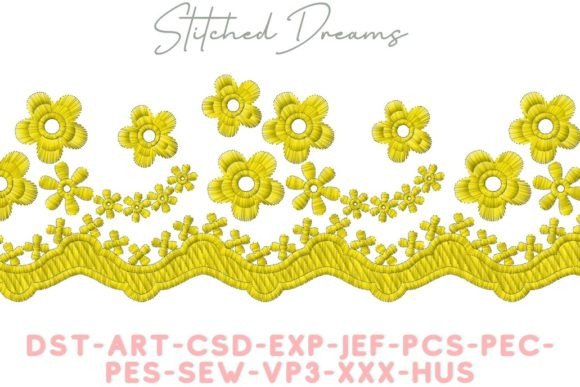
As an embroidery designer who has spent years refining digital files for commercial production, I approach every new machine embroidery design with a critical eye. We are not just looking for beauty; we are looking for viability. Does this design translate well from a screen to a hoop? Can it withstand the rigors of daily wear? Will it elevate a small business brand or dilute it? Today, I am reviewing the Enchanted Garden design, specifically evaluating its potential for small business merch, branded patches, and custom apparel.
The product description highlights an "exquisite" blend of blooming gardens and harmonious borders. For a creator selling handmade products on Etsy or managing inventory for a boutique, visual appeal is paramount. However, technical execution is what ensures repeat customers. Here is my professional assessment of how Enchanted Garden performs in real-world business applications.
First Impressions: Visual Personality and Brand Fit
When you first load the digital embroidery file for Enchanted Garden, the immediate takeaway is elegance. The design feels premium and classic, leaning heavily into a rustic yet polished aesthetic. It is not overly bold or modern-minimalist; instead, it offers a decorative charm that speaks to craftsmanship. This makes it an ideal choice for brands that want to communicate warmth, nature, and care.
For a florist shop, a botanical garden café, or a handmade candle brand, this design aligns perfectly with their existing brand identity. It suggests a slow-living, artisanal vibe. If your target audience values the "handmade" aspect of your products, Enchanted Garden delivers that feeling through its organic shapes and flowing lines. It avoids looking cheap or mass-produced, which is crucial for maintaining perceived product value in the competitive online marketplace.
Real-World Business Applications
Let’s move beyond aesthetics and discuss where this design actually shines in a commercial setting. A good embroidery file must be versatile. Based on the border-heavy nature described in the product title, here is how I see Enchanted Garden performing across various merchandise categories:
- Embroidered Patches: This is perhaps the strongest use case. The harmonious blend of borders makes it excellent for creating standalone patches. These can be sewn onto denim jackets, backpacks, or tote bags as a statement piece. The intricate details work well when the patch is at least 3–4 inches wide, allowing the garden motifs to breathe.
- Staff Uniforms and Aprons: For a bakery or a cozy café, placing a smaller version of this design on the chest area of a staff apron adds a touch of professionalism without being too corporate. It humanizes the uniform and makes employees look like part of a curated team rather than generic service workers.
- Tote Bag Design: Canvas totes are a staple for craft fairs and retail shops. Using Enchanted Garden as a central motif or a corner accent on a tote bag creates a cohesive look. The floral elements complement the natural texture of canvas, enhancing the overall finished product.
- Cap Embroidery: While caps often require simpler designs due to curvature, a well-executed border design can wrap nicely around the front panel. If the stitch density is manageable, this can serve as a subtle branding element for event merch or promotional giveaways.
- Product Packaging Accents: Don’t overlook the unboxing experience. A small embroidered label featuring this design on a gift box or a hangtag attached to clothing items significantly boosts the perceived quality of the item. It turns a simple purchase into a thoughtful gift.
Strategic Considerations and Limitations
No design is perfect for every application. As a designer, I must warn you about specific scenarios where Enchanted Garden might struggle. Understanding these limitations will save you time, thread, and customer dissatisfaction.
- Small Patch Sizes: If you attempt to digitize this design into a very small patch (under 2 inches), you risk losing detail. Fine lines may merge together, creating a muddy appearance. Always test the design at its smallest intended scale before committing to bulk production.
- High Stitch Density: Designs with dense floral fills can become stiff and bulky. On delicate fabrics like thin cotton tees or silk blends, this stiffness can be uncomfortable and may cause the fabric to pucker. Ensure you are using appropriate stabilizers to support the weight of the stitches.
- Dark Uniforms and Contrast: The effectiveness of any embroidery relies heavily on thread colors. If your base fabric is dark, ensure the lightest threads in the design have enough contrast to stand out. Conversely, if the design relies on subtle shading, it may get lost on black or navy garments. Test color combinations rigorously.
- Frequent Washing: For items like aprons and work shirts that undergo frequent laundering, complex borders with many loose ends can fray over time. Reinforce the edges and consider trimming excess threads meticulously to extend the lifespan of the garment.
Impact on Brand Identity and Customer Trust
In the world of small business, consistency is key. When a customer sees a high-quality embroidered logo on a tote bag, they subconsciously associate that quality with the rest of your brand. Enchanted Garden, with its elegant and refined look, helps establish trust. It signals that you pay attention to detail.
Furthermore, embroidered merchandise serves as mobile advertising. When a customer wears a hat or carries a tote bag with your brand’s design, it acts as a walking billboard. A design that looks professional and attractive encourages people to ask about your business. It enhances buyer engagement by sparking conversations about the craftsmanship involved. In contrast, a poorly executed design can lead to returns and negative reviews, damaging your reputation.
Practical Designer Notes for Production
Before you send Enchanted Garden to the production floor, follow these essential steps to ensure success:
- Test in Black and White: Convert the design to monochrome to check the balance of positive and negative space. If it looks cluttered in black and white, it will likely look overwhelming in color.
- Check Hoop Size Constraints: Verify the maximum dimensions of the design against your machine’s available hoop size. You do not want to discover mid-production that the design is too large for your equipment.
- Inspect Thread Color Contrast: Choose threads that pop against your chosen fabric. Avoid low-contrast combinations unless the effect is intentional and subtle.
- Use Proper Stabilizer: The type of stabilizer (cut-away vs. tear-away) depends on the fabric. For stretchy knaps or heavy denim, a cut-away stabilizer provides better long-term stability.
- Create a Printable Mockup: Before investing in physical samples, create a printable mockup to visualize how the design sits on different products. This helps in presenting options to clients or planning your inventory.
- Confirm Commercial Licensing: Most importantly, ensure you have the right to use this design asset for commercial purposes. Check the license terms provided by the designer to avoid legal issues.
By carefully considering these factors, you can leverage Enchanted Garden to create high-quality, desirable merchandise that resonates with your customers. Whether you are designing for a local flower shop or a global Etsy store, this design offers a strong foundation for building a recognizable and trustworthy brand presence.