Mylar Cute Baby Shoes Review
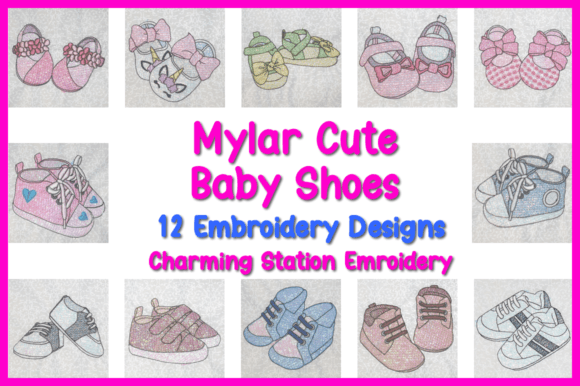
As a designer who spends more time staring at stitch density charts and fabric swatches than sleeping, I approach every new digital embroidery file with a mix of optimism and skepticism. The market is flooded with generic clipart converted into .pes or .dst files, but finding designs that actually hold up under the needle—and look good on a finished product—is a different story. That is exactly why I took Mylar Cute Baby Shoes for a test run. This set promises twelve distinct machine embroidery designs featuring adorable pairs of baby shoes, split evenly between six styles for boys and six for girls. But does it deliver practical value for small business owners, Etsy sellers, and serious crafters? Let’s dive into the real-world application.
First Impressions: Mood and Visual Personality
The immediate appeal of this design set lies in its simplicity and charm. In the world of baby embroidery, clutter is the enemy. You want something that reads instantly as sweet without overwhelming the viewer. These designs capture that delicate balance perfectly. The shapes are clean, avoiding overly complex details that might get lost during the stitching process. There is a nostalgic, almost vintage feel to the shoe silhouettes that works exceptionally well for nursery decor, bibs, and soft blankets.
Visually, the set feels cohesive yet varied enough to offer choice. The distinction between the boy and girl sets allows for targeted marketing, which is crucial for any craft business looking to segment their audience. It isn’t just "cute"; it is commercially viable cute. The visual personality suggests a brand that values tradition, comfort, and handmade quality—exactly the vibe buyers are seeking when they purchase personalized gifts.
Real-World Application: From Screen to Stitch
I decided to put these designs to the test by creating a mock collection for a hypothetical boutique line. My goal was to see how Mylar Cute Baby Shoes would perform on various substrates commonly used in custom apparel and handmade products.
Baby Garments and Bibs
This is the natural home for these designs. When stitched onto organic cotton burp cloths or muslin bibs, the satin stitch outlines pop beautifully against the light fabric. The fill stitch areas provide just enough texture to give the shoes dimension without making the fabric stiff. For an Etsy seller, this is a high-margin item. A simple embroidered bib with one of these shoe motifs sells significantly better than a plain one, adding perceived value to the finished product.
Tote Bags and Market Totes
I tested the designs on canvas tote bags, a staple for small shop products. The contrast here is key. Using dark thread on a natural canvas creates a rustic, artisanal look. However, if you are going for a pastel aesthetic, white or cream canvas works best. The design scales well on the larger surface area of a tote, allowing the details of the shoe laces and soles to be appreciated. It transforms a basic utility item into a thoughtful personalized gift.
Holiday Embroidery and Gifts
During the holiday season, shoppers look for unique, handmade items. These designs fit perfectly into Christmas stocking stuffers or New Year’s baby gifts. The theme is universal enough to cross seasonal boundaries, meaning you can sell these year-round. Whether it’s a winter hat or a summer onesie, the imagery remains relevant.
Technical Performance and Design Assets
From a technical standpoint, the execution of this machine embroidery design is solid. The stitch density appears balanced, reducing the risk of fabric puckering—a common issue with cheaper digitizing. However, as with any embroidery file, results depend heavily on your setup.
The set includes both applique design elements and direct stitch patterns. If the files include applique components, they offer a fantastic way to add color blocking and reduce thread usage while maintaining a professional finish. The running stitch details, likely used for laces or seams, add a nice touch of realism without adding bulk.
For those using these as design assets for digital mockups, the clean lines translate well to printable previews. Customers love seeing what the final product looks like before they buy, and a clear, high-quality rendering of these shoes helps drive conversion rates on platforms like Etsy or Shopify.
Where to Use Caution
No design is perfect for every situation. Here are the scenarios where you need to be careful with Mylar Cute Baby Shoes:
- Small Hoop Sizes: While the designs are likely optimized for standard hoops, attempting to stitch them in very small hoops (under 4x4 inches) may result in clipped details. Always check the recommended hoop size provided by the creator.
- Textured Fabrics: Avoid thick terry cloth or heavily textured knits unless you are using a heavy-duty stabilizer. The needle penetration might struggle, leading to skipped stitches.
- Stretchy Fabrics: Jersey or spandex blends require excellent stabilization. Without proper backing, the elasticity of the fabric can distort the shoe shape, making it look warped rather than cute.
- Dark Fabric: If you are stitching on black or navy fabric, ensure you have high-contrast thread colors available. Light-colored shoes will disappear if not carefully planned.
- Curved Surfaces: Stitching on caps or curved hat fronts requires specialized hoops and experience. The flat layout of the design may not account for the curvature of a baseball cap brim.
Practical Designer Notes for Success
To ensure your embroidery project is a success, follow these practical steps before committing to production runs:
- Test on Scrap Fabric: Never go straight to the final product. Stitch the design on a scrap piece of the same fabric type to check for tension issues and color accuracy.
- Check Thread Color Contrast: Evaluate how the thread colors interact with your chosen fabric. A light blue shoe on a white background might lack definition; consider a darker shade or adding a contrasting outline.
- Review Stitch Density: Zoom in on the digitizing. Are there areas where the fill stitch is too dense, causing stiffness? Or too sparse, showing the fabric through?
- Confirm Licensing: Before selling these as part of your commercial embroidery inventory, verify the license terms. Some files are for personal use only, while others allow commercial sale of the finished goods. This is critical for protecting your craft business.
- Inspect Small Details: Look closely at the tiny details, such as shoe buttons or laces. Can your machine handle these fine points? If not, you may need to simplify the design digitally.
Final Verdict
Mylar Cute Baby Shoes is a versatile, well-executed addition to any embroiderer’s library. It strikes a rare balance between aesthetic appeal and technical feasibility. For the Etsy seller looking to expand their baby category, or the hobbyist wanting to create meaningful personalized gifts, this set offers strong potential.
The inclusion of both boy and girl options maximizes your customer base, while the simple yet charming theme ensures broad appeal. By paying attention to fabric choice, stabilization, and licensing, you can turn these digital files into high-quality, profitable handmade products. It’s a reliable tool for building brand consistency and customer trust in the competitive world of handmade commerce.