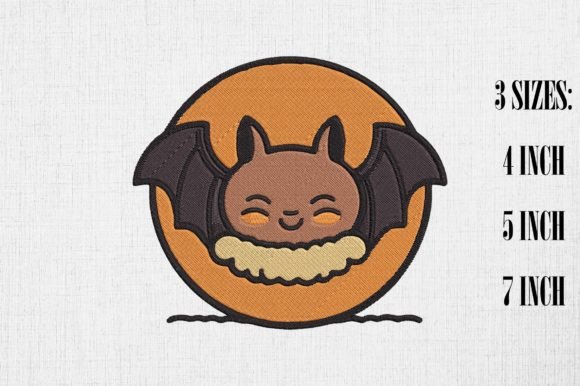
Cute Bat Embroidery Design Review
As an embroidery designer who spends half the year prepping for craft fairs and the other half refining digital assets, I have learned that not all designs are created equal. Some look beautiful on a screen but fail miserably in production. Others are simple, yet they fly off the booth table because they hit the right emotional note for the customer. Today, I am reviewing the Cute Bat design to see if it has what it takes to be a staple in your handmade product line, especially as we approach the Halloween season.
This is not just about whether the file runs well through the machine; it is about whether the final product sells. When you are standing behind a table at a weekend market, you have seconds to grab attention. The Cute Bat Halloween Embroidery Design promises versatility, claiming compatibility with clothes, baby’s onesies, home decor, t-shirts, tablecloths, kitchens, towels, and more. But does it deliver on that promise? Let us break down the visual appeal, practical application, and production realities of this machine embroidery design.
First Impressions: Visual Appeal and Market Fit
The title Cute Bat sets a specific expectation. In the world of handmade goods, "cute" often translates to high sales volume during seasonal events like Halloween. Unlike traditional spooky bats with jagged wings or gothic aesthetics, a "cute" interpretation suggests rounded shapes, friendly eyes, and approachable charm. This makes it an excellent choice for a broader audience, including parents buying for children and decorators looking for subtle festive touches rather than overtly scary decor.
When evaluating the embroidery file, the first thing I look for is clarity. A successful crafter fair product must be legible from three feet away. If the bat is too small or the details are too intricate, it will look like a muddy blob on a busy fabric. Based on the description, this design appears to prioritize charm over complexity, which is a smart move for mass production. It feels festive yet soft, making it suitable for farmhouse-style homes that want a hint of autumn without committing to full-blown horror themes. For an Etsy seller or boutique maker, this balance is crucial. It allows you to market the item as "whimsical Halloween decor" rather than just "spooky," expanding your potential buyer base.
Product Versatility: Where Does Cute Bat Shine?
The marketing copy lists a wide array of applications, from tote bag design opportunities to apron embroidery. But where should you focus your efforts to maximize profit and minimize frustration? Here is my professional assessment of how this design performs across different handmade products.
- Kitchen Towels and Tea Towel Embroidery: This is likely the highest-volume seller. A Cute Bat centered on a white or cream tea towel is a classic gift item. The high contrast between thread and fabric ensures the design pops. These are low-cost items that customers often buy in multiples, making them perfect for impulse buys at a booth.
- Baby Onesies and Small Apparel: The description mentions baby’s onesies. This is a strong niche. Parents love subtle Halloween options for their infants. However, this requires careful handling of stitch density and fabric texture to ensure comfort. The design must be scaled appropriately so it does not overwhelm the small garment.
- Tote Bags and Market Bags: A tote bag design featuring this bat can serve dual purposes: a reusable shopping bag and a seasonal accessory. Darker fabrics may require a cut-away stabilizer to prevent puckering, but the result is a durable, high-value item.
- Embroidered Patches: Converting this design into a patch allows you to sell it as an add-on item. Customers can iron or sew it onto backpacks, denim jackets, or beanies. This increases the perceived value of the original digital embroidery file.
- Pillow Covers and Home Decor: For a more premium feel, place the bat on a neutral linen pillow cover. This elevates the finished product to a higher price point, appealing to buyers looking for home accents rather than just novelty gifts.
Production Realities and Technical Considerations
As a designer, I cannot stress enough the importance of testing. Before you commit to producing fifty units for a craft fair, you must evaluate the technical aspects of the Cute Bat design. Here are the critical factors to consider.
Stitch Density and Detail
Check the stitch density carefully. Bats often feature thin wings. If the satin stitches are too narrow, they may break or look frayed after washing. Conversely, if the fill stitches are too dense, the fabric may pucker, especially on lightweight materials like muslin or thin cotton tees. Ensure the tiny details, such as eyes or teeth, are large enough to be stitched clearly. Tiny lettering or minute facial features are notorious for getting lost in the stitching process, resulting in a design that looks blurry up close.
Fabric Texture and Stabilizer Choice
The choice of fabric drastically changes the outcome. On a smooth cotton tea towel, the design will look crisp. On a textured waffle weave towel or a nubby linen, the stitches may sink into the fabric, losing definition. You must use the right stabilizer. For stretchy knits like t-shirts and onesies, a tear-away or cut-away stabilizer is essential to maintain shape. For woven fabrics like aprons and tote bags, a standard tear-away may suffice, but always test on scrap fabric first.
Thread Contrast and Color
Visual appeal relies heavily on color. Black thread on black fabric is invisible. White thread on white fabric disappears. To make the Cute Bat stand out, choose high-contrast combinations. Orange thread on a navy blue shirt, or white thread on a charcoal gray tote bag. Consider offering multiple thread colors options in your shop listings to cater to different aesthetic preferences, such as pastel purples for a softer look or bright oranges for traditional Halloween vibes.
Selling Strategy for Craft Fairs and Online Shops
How do you position this small shop product to drive sales? The key is presentation. When creating a printable mockup for your online listing or social media, show the design in context. Do not just display the digitized file; show it on a smiling child wearing a onesie, or hanging in a cozy kitchen. This helps the buyer visualize the handmade quality and emotional connection.
For physical booths, create a focal point. Hang a large apron or a set of tea towels with the Cute Bat prominently displayed. Use lighting to highlight the texture of the stitches. Customers are drawn to tactile items. If they can see the sheen of the polyester thread and the precision of the stitches, they perceive higher value. This design works well as a "grab-and-go" item, so keep pricing competitive for smaller items like patches or small pouches.
Furthermore, leverage the versatility of the design. Offer a bundle deal: a matching set of a kitchen towel and a potholder. Bundling increases the average order value and moves inventory faster. Since the design is versatile, you can also offer customization services, allowing customers to choose their background fabric color, adding a personal touch that big-box retailers cannot match.
Final Verdict and Best Practices
The Cute Bat embroidery design has strong potential for success in both physical markets and online stores. Its charming aesthetic appeals to a wide demographic, and its versatility allows for a diverse range of commercial embroidery products. However, success depends on execution.
To ensure your craft fair product stands out, follow these best practices:
- Test Rigorously: Always embroider a sample on the actual fabric you plan to sell. Check for puckering, thread breaks, and clarity of detail.
- Confirm Specifications: Verify the recommended hoop size and file format with the designer. Ensure you have the correct design assets for your specific machine.
- Check Licensing: Before selling finished products, confirm the commercial licensing terms of the embroidery file. Some designs allow unlimited sales, while others restrict the number of units or require a separate license.
- Focus on Quality: Use high-quality threads and appropriate stabilizers. The difference between a cheap-looking item and a premium handmade good is often in the finishing touches.
In conclusion, the Cute Bat is more than just a seasonal decoration; it is a strategic addition to your design portfolio. By understanding its strengths and limitations, you can create finished products that delight customers and build a loyal following for your brand. Whether you are an experienced Etsy seller or a newcomer to the handmade market, this design offers a solid foundation for profitable and visually appealing creations.