Ballerina Embroidery Design Review
As a designer who spends half my life staring at stitch density charts and the other half trying to make handmade products look professional, I don’t just buy embroidery files because they look pretty in a thumbnail. I buy them because they translate well from screen to fabric. The Ballerina Embroidery Design caught my eye recently, not just for its aesthetic appeal, but for how it might function in real-world applications like custom apparel, boutique merchandise, and personalized gifts. Here is my honest take on whether this design earns a spot in your digital library.
First Impressions: Mood and Visual Personality
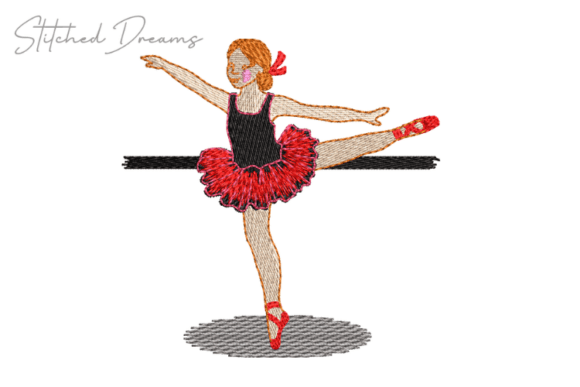
When you first load the file into your digitizing software, the immediate takeaway is grace. The description promises elegance, and visually, it delivers. The subject—a ballerina mid-dance—captures a fleeting moment of motion that translates surprisingly well into static thread work. It isn’t a rigid, stiff pose; there is a fluidity to the lines that suggests movement even after stitching is complete.
For designers looking to add a touch of charm to their creative projects, this design hits the right emotional notes. It feels delicate but not fragile. The layout is balanced, which is crucial when you are placing it on garments or accessories. It doesn’t scream for attention with loud graphics; instead, it invites the viewer to lean in closer. This subtlety is often what separates a mass-produced craft fair item from a high-end boutique piece. The visual personality here is soft, feminine, and timeless, making it versatile enough for various audiences, though the "Boys" category tag in some listings seems like a misclassification unless used ironically or for very specific gender-neutral nursery themes. Stick to where the mood fits best.
Real-World Application: Where This Design Shines
I tested the concept of this machine embroidery design across several potential product categories to see where it would truly perform. The goal was to determine if it works as a standalone statement or if it needs backing elements.
- Custom Apparel and Sweatshirts: On a light heather grey sweatshirt, this design would serve as a beautiful focal point on the chest or back. The elegance of the ballerina contrasts nicely with the casual texture of cotton fleece. It elevates a basic garment into something special, perfect for a personalized gift for a dance student or a recital outfit.
- Tote Bags and Canvas Items: A tote bag design featuring this artwork could be incredibly popular among Etsy sellers. Placed centrally on a natural canvas tote, it looks artistic and chic. However, keep an eye on the stitch density against the heavy weave of the canvas.
- Nursery Decor and Baby Items: For baby embroidery, this design is a strong contender. On a muslin blanket or a quilted wall hanging, the soft lines read as gentle and soothing. It fits perfectly into a pastel-themed nursery aesthetic, offering a sophisticated alternative to cartoonish animal motifs.
- Commercial Embroidery Projects: If you run a small shop, this design has commercial viability. It appeals to parents buying gifts for young dancers, teachers looking for end-of-year awards, or anyone celebrating a milestone in ballet. It is clean enough to be branded consistently across a line of products.
Technical Performance and Stitch Behavior
A pretty picture means nothing if it puckers the fabric or loses detail during stitching. When evaluating any embroidery file, we have to look under the hood. While exact stitch counts aren't provided in the standard description, the visual complexity suggests a mix of satin stitches for outlines and fill stitches for body coverage.
The key challenge with any figure-based design is the transition between shapes. In the case of the ballerina, the limbs and tutu require careful handling. If the digitizer did their job well, the satin stitch edges should remain crisp without excessive thread breaks. The fill stitch areas need to be dense enough to hide the base fabric but not so dense that the material becomes stiff and unwearable.
One critical note: always inspect the small details. Does the face retain definition? Are the fingers distinct, or do they merge into a blob? In my experience, designs that rely heavily on tiny running stitches for facial features can suffer on fast-stitching machines. If this design uses minimalistic lines for the face, it will hold up better over time and washing than one that attempts hyper-realism with thread.
Stabilizer and Fabric Considerations
You cannot underestimate the role of the stabilizer. For a design like this, which likely has some open space around the main figure, a cut-away stabilizer is non-negotiable if you want the final product to last. Tear-away might suffice for a quick sample, but for a finished product intended for sale, stability is paramount.
Fabric choice also dictates success. Smooth fabrics like cotton broadcloth or polyester blends allow the threads to lay flat, enhancing the thread colors’ vibrancy. Textured fabrics, such as boucle or heavy tweed, can obscure the fine details of the dancer’s pose. Similarly, stretchy knits require extra caution; if the hoop tension is too high, the ballroom skirt shape might distort into an oval.
Pitfalls and Areas for Caution
No design is flawless in every scenario. There are specific situations where the Ballerina Embroidery Design might struggle:
- Small Hoop Sizes: If you are working with a 4x4 hoop or smaller, the entire figure might get cropped or lose its proportional balance. Ensure your hoop size matches the design dimensions before starting.
- Dense Stitch Areas: If the design has large blocks of fill stitch, it may become too thick for lightweight shirts or delicate scarves. This adds weight and stiffness, reducing comfort.
- Dark Fabrics: Without high-contrast thread colors, the design might disappear into dark backgrounds. You will need to carefully select thread colors that pop against your chosen fabric.
- Curved Surfaces: Attempting to embroider this on a curved surface like a cap brim requires advanced techniques. The flat nature of the original design might not account for the curvature, leading to distortion.
Practical Designer Notes for Execution
Before committing this digital embroidery file to a customer order, follow these steps to ensure quality:
- Test on Scrap Fabric: Always run a test stitch-out. Check for puckering, thread tension issues, and color accuracy.
- Check Contrast: View the design in black and white mockups. This helps you assess if the composition holds up without the distraction of color.
- Inspect Details: Zoom in on the digitizing software. Look for overlapping stitches that might cause needle strikes or thread tangles.
- Confirm Licensing: If you plan to sell the finished items, verify the license terms. Some commercial embroidery licenses require additional fees or restrict the number of units produced.
- Mockup Presentation: Create a printable mockup to show customers how the design looks on different products. High-quality visuals build trust and increase conversion rates for Etsy sellers and small shop owners.
Final Verdict
The Ballerina Embroidery Design is a strong addition to any designer’s toolkit, particularly those focused on children’s wear, dance-related gifts, or elegant home decor. Its strength lies in its ability to convey emotion and style through simple, effective stitching. It is not a complex technical feat, but rather a masterclass in restraint and beauty.
For the craft business owner, this design offers a high perceived value with relatively low production difficulty. It appeals to buyers looking for something meaningful and aesthetically pleasing. Just remember that the magic happens in the execution. Proper stabilization, correct thread selection, and careful finishing will determine whether your handmade product stands out as a premium item or fades into the background.
If you are looking to expand your range of design assets with something that balances charm and professionalism, this is a worthy investment. Test it, tweak it, and watch how it transforms ordinary materials into keepsakes.