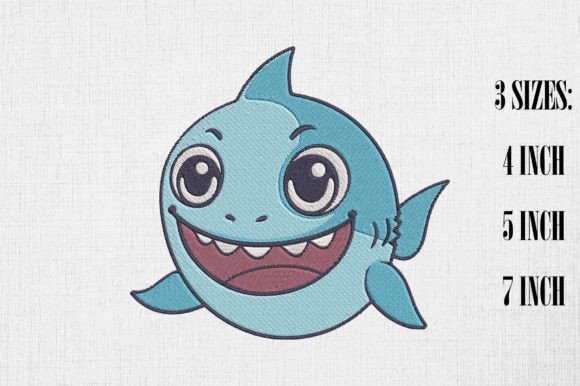
Cute Shark Embroidery Design Review
As an embroidery designer who has spent years translating digital concepts into tangible, stitched products for small businesses, I approach every new design file with a critical eye. We aren’t just looking for something that looks good on a screen; we are looking for a design that holds up under the hoop, survives the wash cycle, and elevates the brand it adorns. Today, I am reviewing the Cute Shark machine embroidery design, specifically evaluating its potential for use in branded merchandise, staff uniforms, and high-quality embroidered patches.
The product description highlights its versatility, noting that it can be applied to clothes, baby’s onesies, home decor, t-shirts, tablecloths, kitchens, towels, and more. While the list of applications is broad, my review focuses on the commercial viability of this design for small business owners, Etsy sellers, apparel decorators, and handmade brands. Does this design possess the professional polish required for retail, or is it merely a decorative novelty? Let us dive into the details.
First Impressions: Visual Personality and Brand Alignment
When you first load the Cute Shark embroidery file into your digitizing software, the immediate takeaway is its playful yet clean aesthetic. The title suggests a "cute" factor, which in the world of branding often translates to approachability and friendliness. For small businesses aiming to build a warm, community-focused identity—such as local bakeries, pet brands, florists, or creative studios—this design strikes the right balance between whimsical and polished.
It does not feel overly rustic or chaotic. Instead, it leans toward a modern, premium look that works well for handmade products. The visual personality is bold enough to be recognized from a distance but soft enough to appeal to customers who value artisanal quality. This makes it an excellent candidate for brand identity reinforcement, particularly for businesses that want to appear professional without being stiff or corporate.
Real-World Business Applications
The true test of any machine embroidery design is how it performs in real-world scenarios. Here is how the Cute Shark design can function across various commercial touchpoints:
- Embroidered Patches: One of the most lucrative applications for this design is creating iron-on or sew-on patches. These serve as versatile assets for denim jackets, backpacks, and tote bags. The design’s structure likely allows for clean edges, making it ideal for patch production where durability is key.
- Staff Uniforms and Aprons: For a café, bakery, or boutique, consistent branding is crucial. Placing the Cute Shark on chest pockets or apron fronts creates a unified team look. It adds a touch of personality to custom apparel, helping staff stand out while maintaining a professional appearance.
- Cap Embroidery: Caps remain a staple in promotional merch. If the design scales well, it can serve as a focal point on the front panel of hats. However, curvature requires careful digitization, which we will address later.
- Tote Bag Design: Canvas tote bags are a favorite among crafters and eco-conscious consumers. A centered or pocket-placed Cute Shark adds value to these items, transforming them from simple carriers into branded fashion statements.
- Product Packaging Accents: Beyond clothing, consider using this design on fabric tags attached to jewelry boxes, candle jars, or gift wraps. It enhances the unboxing experience and reinforces the handmade product narrative.
- Baby and Kids’ Merchandise: Given the "cute" descriptor, this design is naturally suited for baby’s onesies and children’s wear. Parents often seek unique, non-mass-produced items, making this a strong seller for Etsy shops specializing in kids’ fashion.
Strategic Considerations and Potential Pitfalls
While the Cute Shark design shows promise, there are specific areas where caution is advised. As a designer, I always recommend testing designs in challenging environments before committing to bulk production.
Small Patch Sizes: When scaling down the design for small patches or cap logos, intricate details may become muddy. Ensure that the stitch density remains appropriate so the image does not lose definition. If the design relies heavily on fine lines, it may not render clearly at very small dimensions.
Curved Surfaces: Embroidering on the curved front of a cap or a rounded tote bag corner can distort the geometry of the shark. Proper hooping techniques and potentially stabilizer adjustments are necessary to maintain the design’s integrity.
Fabric Texture and Color: Dark uniforms require high contrast. If the design uses light thread colors, ensure they pop against dark fabrics like navy or black. Conversely, on textured fabrics such as heavy canvas or fleece, the stitches may sink in, reducing visibility. Always perform a test stitch on the actual material you intend to use.
High Stitch Density: Designs with excessive stitching can become stiff and uncomfortable, especially on garments worn frequently. Check the stitch density to ensure the final product feels soft and wearable, rather than rigid and plastic-like.
Impact on Brand Identity and Customer Trust
In the competitive landscape of small business merch, visual consistency builds trust. A well-executed embroidered patch or logo signals attention to detail. When customers see a professionally finished Cute Shark design, they perceive higher product value and reliability.
This design supports brand identity by conveying approachability and creativity. It helps differentiate your brand from competitors who may rely solely on printed graphics, which can crack or fade over time. Embroidery offers longevity, reinforcing the idea that your brand stands the test of time. Furthermore, unique design assets like this can drive buyer engagement, as customers appreciate distinctive, handcrafted aesthetics over generic mass-market items.
Practical Designer Notes for Production
Before integrating the Cute Shark digital embroidery file into your production line, follow these essential steps to ensure success:
- Test in Black and White: Convert the design to monochrome to check contrast and spacing. This reveals if the design relies too much on color variation for its effect.
- Check Small Scale Legibility: Zoom out or create a 1-inch mockup to see if the shark remains recognizable at patch size.
- Review Thread Color Contrast: Select threads that complement your brand palette while ensuring sufficient contrast against the base fabric.
- Inspect Spacing and Hoop Size: Confirm that the design fits within your standard hoop sizes without awkward cropping. Adjust placement accordingly.
- Test on Real Fabric: Never skip the test run. Stitch the design on scrap pieces of your actual product fabric to evaluate tension, puckering, and finish.
- Use Proper Stabilizer: Choose the correct stabilizer (cut-away, tear-away, or water-soluble) based on the fabric weight and stretch to prevent distortion.
- Create a Printable Mockup: Use the design to create a printable mockup for client approval or marketing materials. This helps visualize the final product before cutting fabric.
- Compare Against Other Assets: Place the Cute Shark alongside other design assets in your collection to ensure visual harmony and brand consistency.
- Confirm Commercial Licensing: Most importantly, verify the licensing terms. Ensure you have the right to use this embroidery file for commercial purposes, including selling finished goods.
The Cute Shark machine embroidery design offers a charming, versatile option for small business owners looking to add a touch of personality to their merchandise. By carefully considering scale, fabric, and licensing, you can leverage this design to enhance your brand identity and create memorable, high-quality products that resonate with your audience.