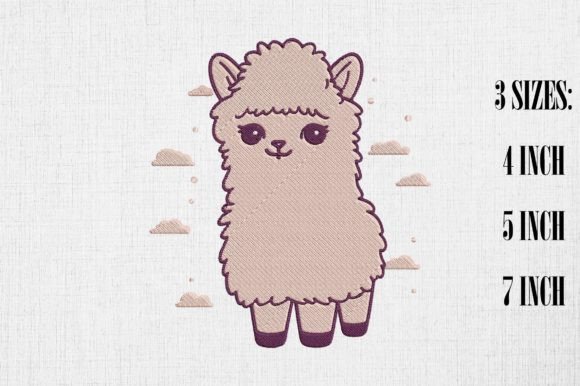
Kawaii Llama Embroidery Review
As an embroidery designer who spends weekends hunched over a table at craft fairs, I know that the difference between a design that gathers dust and one that sells out by noon often comes down to visual impact and production practicality. When I first laid eyes on the Kawaii Llama machine embroidery design, my immediate reaction was one of delight mixed with strategic calculation. It isn’t just another cute animal motif; it is a potential cornerstone for a weekend booth display if handled correctly.
The term "Kawaii" suggests a specific aesthetic: soft, rounded, and undeniably charming. In the world of handmade products, this translates to high emotional appeal. Customers don’t just buy a tote bag or a tea towel; they buy the feeling of joy that the product evokes. This embroidery file taps directly into that sentiment. However, for the serious Etsy seller or boutique maker, charm alone isn’t enough. The design must be versatile, durable, and easy to produce in batches without causing frustration at the hoop.
First Impressions and Visual Appeal
When evaluating any new design assets, I look for clarity and character. The Kawaii Llama stands out because it balances boldness with delicacy. It feels modern yet rustic enough to fit into farmhouse decor trends, which remain incredibly strong in the home goods market. Unlike overly intricate designs that lose their soul when stitched quickly, this design appears to have clean lines and distinct shapes that read well from a distance. At a busy craft fair, where customers might only glance at your table for three seconds, that immediate recognition is vital.
The aesthetic leans heavily into the cute and playful, making it perfect for gift-oriented items. It doesn’t feel heavy or ornate like traditional floral motifs; instead, it offers a light, airy feel that appeals to younger demographics and parents alike. This versatility is crucial. A design that works equally well on a baby’s onesie and a chic kitchen apron doubles your potential customer base without requiring you to create two separate marketing angles.
Product Applications and Market Fit
In my experience, the success of a craft fair product often depends on where it is applied. Let’s break down how the Kawaii Llama performs across various high-demand categories.
- Tote Bags and Market Bags: This is arguably the strongest application. A canvas tote featuring a centered Kawaii Llama becomes an instant conversation starter. The design acts as a focal point, transforming a basic accessory into a statement piece. For tote bag design enthusiasts, this pattern offers excellent contrast against natural cotton or denim fabrics.
- Aprons and Tea Towels: Kitchen textiles are impulse-buy staples at handmade markets. The Kawaii Llama brings personality to the kitchen without being overwhelming. On a white tea towel, the colors pop, creating a fresh look. As an apron embroidery subject, it adds a touch of whimsy that appeals to home cooks who want their workspace to reflect their personality.
- Baby Items and Onesies: The "Kawaii" style is naturally suited for nursery decor and baby gifts. Small-scale applications on muslin blankets or bibs can command premium prices because the perceived value of "cute" is exceptionally high in this category.
- Caps and Patches: For those looking to diversify, applying this design to structured caps requires careful attention to curvature. However, as an embroidered patch sewn onto a denim jacket or backpack, it offers a trendy, streetwear-inspired look that resonates with fashion-forward buyers.
- Pillow Covers and Home Decor: Larger formats allow the design to breathe. A throw pillow featuring the llama can serve as a centerpiece in a living room setting, demonstrating the design’s ability to function as serious interior decor rather than just a novelty item.
Production Practicality and Batch Efficiency
For the small shop product owner, time is money. A design that takes twenty minutes to stitch per unit will kill your profit margins. While I cannot confirm the exact stitch count without the specific file data, designs in this genre typically utilize fill stitches that are efficient yet visually rich. If the Kawaii Llama maintains consistent thread coverage without excessive trimming, it is a candidate for batch production.
Photography is another critical factor. Does the design photograph well? Yes. The bright, likely pastel or primary color palette typical of Kawaii art translates beautifully to digital listings. A printable mockup of this design on a neutral background will attract clicks on social media and Etsy. The simplicity of the subject matter ensures that the focus remains on the craftsmanship, not on deciphering complex details.
Technical Considerations and Careful Use Notes
Even the cutest designs can fail if technical aspects are ignored. Here are essential notes for preparing the Kawaii Llama for commercial use:
- Stitch Density and Fabric Texture: Ensure your fabric choice complements the stitch density. Heavy textured towels may obscure fine details, while smooth cotton blends will showcase the design best. Always test on scrap fabric to see how the threads interact with the weave.
- Hoop Size and Placement: Confirm the recommended hoop size before starting. If the design is large, it may require re-hooping, which increases production time. Centered placement on tote bags and aprons is usually safest, but ensure the design fits comfortably within standard hoop dimensions.
- Thread Contrast: The magic of embroidery lies in contrast. Dark fabrics require lighter thread colors to make the Kawaii Llama pop, while light fabrics benefit from darker, saturated hues. Avoid low-contrast combinations that cause the design to blend into the background.
- Stabilizer Selection: Using the right stabilizer is non-negotiable. Cut-away stabilizers provide the best support for stretchy fabrics like jersey knits used in t-shirts and onesies, preventing distortion during stitching.
- Small Details and Clarity: Be cautious if planning to digitize or scale down the design significantly. Tiny details, such as facial features or small accessories, may become muddy or lost if the design is reduced too far. Stick to the recommended minimum sizes provided by the creator.
Brand Consistency and Buyer Engagement
Integrating the Kawaii Llama into your brand identity can strengthen your presence in the commercial embroidery space. Consistency in style helps customers recognize your work instantly. If your booth features a cohesive collection of llama-themed items—from matching mugs to embroidered pouches—you create a thematic experience that encourages larger purchases.
Furthermore, this design has high shareability. Buyers love posting photos of unique handmade gifts on social media. A well-executed Kawaii Llama project invites tagging and sharing, providing free organic marketing for your shop. It serves as a tangible representation of quality and creativity, enhancing your reputation as a skilled artisan.
Final Verdict
The Kawaii Llama is more than just a fun animal motif; it is a strategic tool for boosting sales in the handmade market. Its charm, versatility, and photogenic qualities make it an ideal candidate for a wide range of products, from everyday carry items to special occasion gifts. By paying close attention to technical details like stabilizer choice and thread contrast, you can ensure that every finished product reflects the highest standards of quality.
Before diving into mass production, remember to check all licensing terms and create at least one real-world sample. Test the design on various fabrics to understand its limitations and strengths. With careful preparation, the Kawaii Llama can become a signature element of your portfolio, driving engagement and revenue for your creative business. Whether you are an experienced pro or a newcomer to the digital embroidery file market, this design offers a delightful opportunity to connect with customers through the universal language of cuteness and craftsmanship.