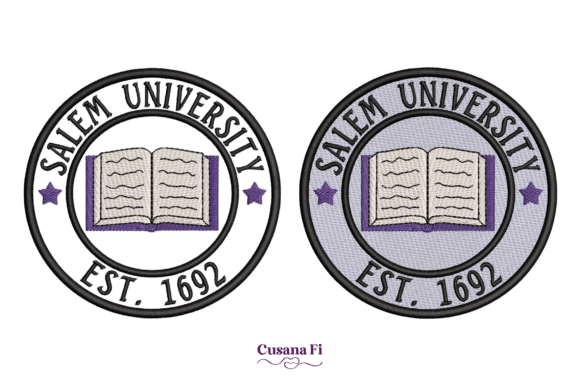
Salem Witch University Est 1692 Badge Review
As an embroidery designer who has spent years refining designs for small business merchandise, I approach every digital file with a critical eye. It is not enough for a design to simply look good on a screen; it must translate flawlessly into thread, hold up under frequent washing, and elevate the brand identity of the product it adorns. Today, I am reviewing the Salem Witch University Est 1692 Badge, a design that promises to add a touch of spooky magic to your Halloween inventory. This review focuses on its viability for commercial use, including branded patches, staff uniforms, tote bags, and custom apparel.
First Impressions: Visual Personality and Brand Fit
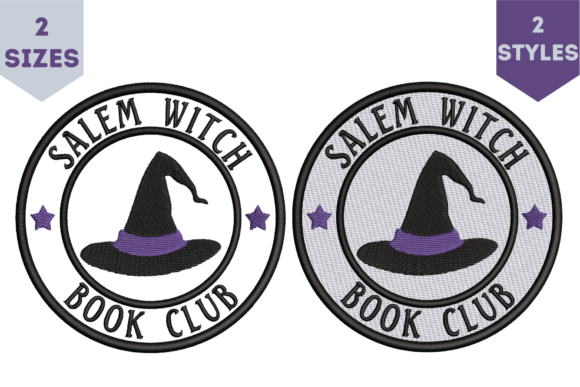
The title Salem Witch University Est 1692 Badge immediately suggests a blend of academic tradition and playful folklore. For small business owners, particularly those in the handmade, boutique, or creative studio sectors, this design offers a unique aesthetic. It feels both classic and contemporary, leaning towards a vintage collegiate style that resonates well with younger demographics and fans of seasonal themes. The "badge" format implies a structured, contained graphic, which is generally easier to digitize cleanly than loose, sprawling illustrations.
In the context of Halloween marketing, this design stands out because it moves beyond generic pumpkins and ghosts. It taps into the popular "witchy academia" trend, making it highly relevant for modern brands. Whether you are running a local café, a bakery, or an Etsy shop selling digital design assets, this badge offers a sophisticated yet fun visual hook. It signals creativity and attention to detail, qualities that build customer trust and enhance perceived product value.
Real-World Business Applications
When evaluating a machine embroidery design for commercial production, I consider where it can be applied most effectively. The Salem Witch University Est 1692 Badge is versatile enough to serve multiple functions within a small business’s product line.
- Branded Patches: This design is ideal for creating iron-on or sew-on patches. Small business merch often relies on patches as affordable entry-level products or as add-ons for customers. A clean badge design ensures that the logo remains legible even when cut out and finished with a border.
- Staff Uniforms and Aprons: For cafes, bakeries, or florists looking to theme their staff attire during October, this badge works perfectly as a chest logo accent. It adds personality without being overly distracting. On apron embroidery projects, it provides a professional yet festive touch that aligns with seasonal promotions.
- Tote Bag Design: Tote bags remain a staple in small business merch. Placing this badge on the front pocket or center of a canvas tote creates a recognizable brand mark. The structured nature of the badge translates well to the flat surface of a tote, ensuring high visibility.
- Cap Embroidery: If the digitization allows for a compact layout, this badge can work on the front panel of caps. However, curvature must be considered carefully (see challenges below).
- Product Packaging Accents: Beyond apparel, this design can be used on labels sewn into garments or attached to gift boxes, enhancing the unboxing experience for handmade products.
Technical Challenges and Placement Considerations
No design is without its limitations. As a designer, I must advise caution in specific scenarios to ensure the highest quality finished product.
One primary concern is stitch density. Badges often contain fine text and detailed outlines. If the Salem Witch University Est 1692 Badge features tiny lettering in the "Est 1692" section, it may become illegible if scaled down too small. When planning for embroidered patch production, ensure the final size allows for clear separation between stitches. Tiny details can merge together, resulting in a muddy appearance that detracts from brand identity.
Fabric texture also plays a crucial role. On highly textured fabrics like heavy tweed or rough burlap, fine lines may disappear. Smooth cotton blends or polyester-cotton mixes provide the best canvas for maintaining sharp edges. Additionally, when considering cap embroidery, the curved surface can distort circular or rectangular badges. Test the design on a actual cap blank before committing to bulk production.
Another area requiring care is color contrast. If you plan to embroider this on dark uniforms or black tote bags, the choice of thread colors becomes critical. Light threads on dark backgrounds require higher stitch density to prevent the fabric from showing through, which can increase production time and cost. Conversely, dark threads on light fabrics offer better readability but may require a backing stabilizer to prevent puckering.
Impact on Brand Identity and Customer Engagement
Using a themed design like the Salem Witch University Est 1692 Badge does more than just decorate a product; it communicates your brand’s voice. For businesses aiming to appear trendy, community-focused, and creative, this design reinforces those values. It shows that you pay attention to cultural moments and seasonal trends, which can boost customer engagement and social media shares.
Consistency is key in building recognition. If you incorporate this badge into your custom apparel and tote bag design collections, it creates a cohesive visual language. Customers begin to associate the specific aesthetic of the badge with your brand, fostering loyalty. Furthermore, offering limited-edition Halloween items can drive urgency and sales, positioning your shop as a go-to destination for seasonal goods.
Practical Designer Notes for Production
Before integrating the Digital embroidery file into your production workflow, follow these essential steps to avoid costly errors:
- Test in Black and White: Convert the design to monochrome to check contrast and spacing. This helps identify any areas where elements might clash or become indistinct.
- Check Small Patch Size: Simulate the design at its smallest intended production size. Ensure that text remains readable and that no fine details are lost.
- Review Thread Color Contrast: Select thread colors that stand out against your target fabric. High contrast improves durability and visual appeal.
- Inspect Spacing and Hoop Size: Confirm that the design fits within your machine’s standard hoop sizes. Adjust scaling if necessary to maximize efficiency.
- Test on Real Fabric: Always run a sample on the actual material you intend to use. This reveals how the stabilizer interacts with the fabric and whether puckering occurs.
- Create a Printable Mockup: Before committing to physical samples, create a printable mockup to visualize the design on various products. This aids in client approval and marketing preparation.
- Confirm Commercial Licensing: Verify that you have the right to use this design for commercial purposes. Check the license terms provided by the creator to ensure compliance.
By following these guidelines, you can leverage the Salem Witch University Est 1692 Badge to create high-quality, marketable products that resonate with your audience. Whether you are updating your Etsy branding or launching a new line of handmade products, this design offers a strong foundation for seasonal success. Remember, the difference between a good product and a great one often lies in the execution—so take the time to test, refine, and perfect your embroidery process.