Reviewing the Citizen Embroidery Design for Real-World Projects
When I sit down to evaluate a new embroidery design, I am rarely looking for just another pretty picture. I am looking for viability. As a designer who regularly produces goods for clients, craft fairs, and online shops, my primary concern is how a digital file translates into physical reality. Today, I am putting the Citizen embroidery design through its paces. This piece falls under the Cities category, but rather than viewing it strictly as a geographic landmark, I am treating it as a versatile graphic asset for apparel, home decor, and personalized gifts.
First Impressions and Visual Personality
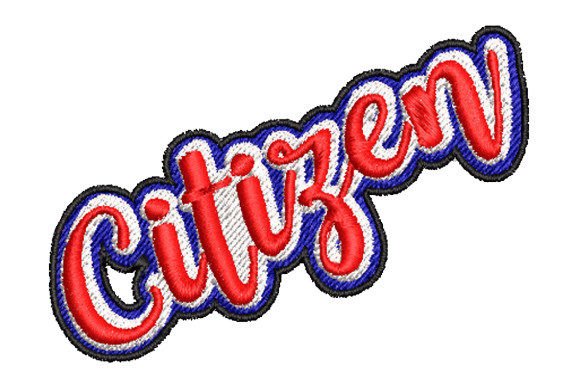
The moment you load the machine embroidery design into your software, the layout speaks volumes. The Citizen file carries a mood that is both urban and timeless. It avoids the cluttered look of overly detailed cityscapes, opting instead for a clean, recognizable silhouette that reads well even at smaller scales. For an Etsy seller or a small shop product creator, this clarity is invaluable. You do not want a customer squinting at a tiny patch on a tote bag trying to decipher what they have bought.
The visual personality of Citizen feels confident and slightly nostalgic. It suggests a sense of place without being tied to one specific era. This makes it incredibly adaptable. Whether you are creating custom apparel for a local tourism board or making personalized gift items for someone moving to a new city, the design strikes the right balance between artistic expression and commercial appeal. It does not scream for attention; rather, it invites the viewer to appreciate the craftsmanship behind the stitching.
Real-World Application: From File to Finished Product
To truly understand the value of this embroidery file, we must look at how it performs in actual production scenarios. Let us imagine a practical workflow. I recently needed a design for a batch of tote bag designs intended for a boutique brand launch. The client wanted something that felt premium but approachable. I selected Citizen for its balanced composition.
On a canvas tote, the design shines. The negative space allows the fabric texture to breathe, while the stitched elements provide enough weight to feel substantial. However, the versatility of Citizen extends far beyond bags. Consider its application on sweatshirt embroidery. When placed over the heart or centered on the back of a heavy cotton blend, the design holds its shape beautifully. It pairs exceptionally well with applique design techniques if you wish to add dimension, though the standard fill stitches stand strong on their own.
For those dealing in handmade products like aprons or kitchen towels, Citizen offers a sophisticated touch. It elevates a simple utility item into a decorative piece. I also tested it mentally for baby embroidery projects, such as onesies or nursery decor. While the theme is urban, the clean lines make it suitable for modern nursery themes where parents prefer minimalist aesthetics over childish cartoons. It works equally well for holiday embroidery collections, serving as a memorable keepsake for travelers or locals alike.
Material and Fabric Considerations
No design exists in a vacuum; it lives on fabric. The success of Citizen depends heavily on the substrate you choose. On stable fabrics like denim, twill, or tightly woven cotton, the satin stitch and fill stitch elements render with crisp edges. The thread colors pop against these backgrounds, ensuring high contrast and readability.
However, caution is required when working with textured fabrics. If you attempt to stitch this on a thick boucle wool or a heavily ribbed knit, the details may get lost in the weave. Similarly, stretchy fabric requires a robust stabilizer to prevent puckering. Without proper support, the tension from the running stitch areas could distort the circular or square bounds of the design, ruining the professional finish. Always test on scrap pieces of your final material before committing to the customer’s garment.
Where to Use Carefully: Limitations and Risks
Even the best design assets have boundaries. There are specific scenarios where Citizen might not be the ideal choice. First, consider small hoop sizes. If you are working with a limited workspace, intricate details within the design may become indistinguishable. Tiny lettering or fine lines can merge together, creating a muddy appearance. In such cases, simplifying the design or scaling it up is necessary.
Dense stitch areas can also pose challenges. If the design has large sections of heavy fill, it adds significant weight to the finished product. On delicate items like handkerchiefs or thin linen shirts, this weight might cause the fabric to sag or tear over time, especially after frequent washing. Furthermore, applying this design to curved surfaces like caps or hats requires precise digitizing adjustments. If the design is too rigid or lacks flexibility, it will not conform naturally to the curve of a baseball cap brim or crown.
Dark fabrics present another variable. While dark threads work well on light backgrounds, using dark threads on a black garment requires careful selection of thread sheen and color contrast. A standard black-on-black approach might lack visibility unless metallic or high-gloss threads are used. Always inspect small details by converting your mockup to black and white to ensure legibility across all color combinations.
Impact on Brand Value and Customer Trust
For the craft business owner, presentation is everything. A well-executed embroidered patch or custom apparel item signals quality. When a customer receives a product featuring the Citizen design, they are buying more than just an image; they are buying the assurance of good craftsmanship. The clean lines and balanced composition of this design convey professionalism. It suggests that the maker paid attention to detail during the digitizing process.
This perception directly influences buyer engagement. In a crowded marketplace, a product that looks professionally made stands out. The Citizen design, with its universal yet distinct appeal, helps build brand consistency. It allows you to create cohesive collections, whether you are selling digital embroidery files or physical goods. Customers trust brands that deliver consistent quality, and a reliable embroidery project outcome reinforces that trust.
Practical Designer Notes for Success
Before you upload Citizen to your machine, follow these essential steps to ensure a flawless result:
- Test on Scrap Fabric: Never assume a design will work perfectly on your first try. Stitch it out on a scrap piece of the same fabric type to check for tension issues.
- Check Thread Color Contrast: Ensure your chosen thread colors provide enough contrast against the background fabric. Low contrast can make the design look faded or unfinished.
- Review Stitch Density: Look closely at the density settings in your software. Adjust if necessary to prevent fabric distortion or thread breakage.
- Confirm Hoop Size: Verify that your embroidery machine’s hoop size accommodates the maximum dimensions of the design.
- Inspect Small Details: Zoom in on the digital preview. Are there any overlapping stitches or tiny gaps that might cause problems?
- Use Proper Stabilizer: Choose the right stabilizer (cut-away, tear-away, or wash-away) based on the fabric’s stretch and weight.
- Check Licensing: If you plan to sell finished items, confirm the licensing terms for the Citizen design. Some files are for personal use only, while others allow commercial sales.
By following these guidelines, you can maximize the potential of this embroidery project. The Citizen design is a robust tool for any creative entrepreneur looking to expand their catalog. It bridges the gap between artistic inspiration and commercial practicality, making it a worthy addition to your library of design assets.