Rat Head Embroidery Design Review
As an embroidery designer who has spent years turning digital concepts into tactile, stitched reality, I look at every new design file with a critical eye. It is not enough for a design to simply "look good" on a screen. For small business owners, Etsy sellers, and apparel decorators, the true test of any machine embroidery design lies in its performance on fabric, its scalability, and its ability to reinforce brand identity without falling apart under the needle.
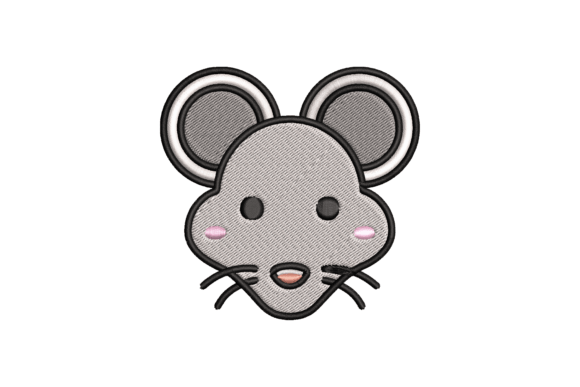
This week, I am reviewing the Rat Head design from the Wild Animals category. The product description promises "adorable charm and intricate" detail, positioning it as a choice for adding a personal touch to clothing or home decor. But does it hold up when we shift the context from casual hobbyist projects to professional small business merch? Can this design serve as a reliable asset for branded patches, staff uniforms, or boutique product labels? Let’s dive into the technical and aesthetic breakdown.
First Impressions: Personality and Visual Impact
The title Rat Head immediately sets a specific tone. In the world of branding, rats often carry connotations that range from playful and mischievous to gritty and urban. When paired with descriptors like "adorable charm," this design likely leans toward a stylized, perhaps slightly cartoonish or whimsical interpretation rather than a hyper-realistic wildlife study. This distinction is crucial for business application.
From a visual standpoint, a design focused on a single head suggests strong focal points. If executed well, the eyes, nose, and whiskers become the anchors of the piece. For a handmade brand or a creative studio, this level of character can be incredibly engaging. It feels less like a generic clipart and more like a mascot. However, the promise of "intricate" detail is a double-edged sword. Intricacy requires precision in digitizing. If the lines are too fine, they may merge together during the stitching process, losing the definition that makes the design charming in the first place.
Real-World Business Applications
Where does Rat Head shine in a commercial setting? After analyzing the composition, I see several high-potential use cases for entrepreneurs looking to expand their product lines.
- Embroidered Patches: This is arguably the strongest use case. A rat head design translates beautifully onto iron-on or sew-on patches. These can be sold as standalone accessories by crafters or used by brands to create a unique logo element. Think of a bakery using a "rat" motif for a quirky sourdough starter brand, or a pet shop creating a memorable logo for rodent care services.
- Apparel Accents: Rather than a large chest logo, consider using this design as a smaller accent. Placing a tiny, detailed Rat Head on the cuff of a work shirt, the sleeve of a hoodie, or the back neck of a t-shirt adds a subtle layer of personality. It signals to the customer that the brand pays attention to detail without overwhelming the garment.
- Caps and Hats: Cap embroidery requires designs that are bold and legible from a distance. If the Rat Head design has clean outlines and sufficient negative space, it could work well on the front panel of a dad hat or a structured cap. This is particularly effective for event merchandise or team uniforms for creative agencies.
- Tote Bags and Aprons: For cafes, florists, or boutique shops, canvas totes and kitchen aprons are staple items. An embroidered patch featuring this design adds a premium feel compared to printed graphics. It elevates the perceived value of the item, making it a desirable giveaway or a sellable product in its own right.
- Product Packaging: Small businesses often overlook packaging as a branding opportunity. A small embroidered label sewn inside a garment or attached to a gift box featuring the Rat Head creates a delightful unboxing experience. It reinforces the handmade product aesthetic and builds emotional connection with the buyer.
Strategic Brand Identity Considerations
Choosing a design like Rat Head sends a message about your brand’s personality. It suggests approachability, quirkiness, and a departure from corporate sterility. For brands targeting younger demographics, artists, or niche communities (such as urban explorers or pet enthusiasts), this design can enhance brand identity significantly.
However, consistency is key. If you introduce this design, ensure it aligns with your other design assets. Does it match the color palette? Does it fit the same stylistic era as your other logos? Using it alongside other elements from the Wild Animals category could create a cohesive collection, but only if the artistic styles are harmonized. A mismatched style can make a brand look disjointed rather than diverse.
Technical Pitfalls and Risk Areas
While the potential is there, an experienced designer must warn you about where this design might fail in production. Not all fabrics and surfaces are created equal.
Small Patch Sizes: If you plan to reduce this design to fit a tiny patch (under 2 inches), you must be cautious. Fine details, especially around the eyes and whiskers, may disappear or bleed together. Always test the scaled-down version before committing to bulk production.
High Stitch Density: Designs labeled as "intricate" often have high stitch counts. On lightweight fabrics like thin cotton tees or delicate linens, this density can cause puckering. You need a robust stabilizer to support the stitches, which adds cost and complexity to the manufacturing process.
Curved Surfaces: Embroidering on caps or curved tote bags requires specialized hoops and skills. If the Rat Head design has straight lines or text, distorting them over a curve can ruin the aesthetic. Ensure the digitizing accounts for curvature if you plan to use it on hats.
Fabric Texture and Color: Dark uniforms or heavily textured fabrics (like burlap or thick denim) can obscure fine details. Light thread colors on dark backgrounds require a backing layer, which again affects the hand-feel of the fabric. Test your thread colors against your actual product fabric to ensure contrast is maintained.
Practical Designer Notes for Production
Before you upload this digital embroidery file to your machine or send it to a manufacturer, follow these essential steps to ensure quality control.
- Black and White Test: Convert the design to black and white in your software. This helps you see the structure and spacing without the distraction of color. Are there areas that look too crowded?
- Hoop Size Verification: Confirm the required hoop size. If the design is larger than your standard hoop, you will need to reposition or split the design, which can leave visible jump stitches.
- Stabilizer Selection: Match the stabilizer to the fabric weight. A heavy cut-away stabilizer is usually best for patches and durable goods, while tear-away may suffice for temporary projects.
- Mockup Creation: Create a printable mockup or a digital simulation to show clients or customers. Seeing the design on a realistic background helps set expectations regarding scale and detail.
- Commercial Licensing: Most importantly, verify the license terms. Just because you bought the file does not always mean you can sell products made with it. Ensure you have commercial embroidery rights before listing items on Etsy or in your store.
Final Verdict
The Rat Head embroidery design offers a charming, character-driven option for small business owners looking to add a unique flair to their merchandise. Its potential for use in patches, caps, and apparel accents is strong, provided the intricacy is managed correctly through proper testing and stabilization.
For those willing to invest time in quality control—checking stitch density, fabric compatibility, and licensing—this design can be a valuable addition to your catalog. It transforms simple goods into memorable experiences, helping your brand stand out in a crowded marketplace. Remember, in embroidery, the finish is everything. Take the time to test, refine, and perfect your execution, and Rat Head will serve your business well.