Strawberry Roll Embroidery Review
As an embroidery designer who spends hours refining stitch paths and selecting thread palettes for boutique collections, I am always looking for designs that balance whimsy with wearability. When browsing Creative Fabrica embroidery options for a upcoming seasonal drop, the Strawberry Roll design caught my eye immediately. It is not just another fruit motif; it is a narrative piece that tells a story of comfort, sweetness, and cozy gatherings.
This review breaks down how this specific machine embroidery design performs when translated from a digital file to real-world apparel, particularly for those of us building brands around handmade products, Etsy listings, and custom apparel projects.
First Impressions: Visual Personality and Mood
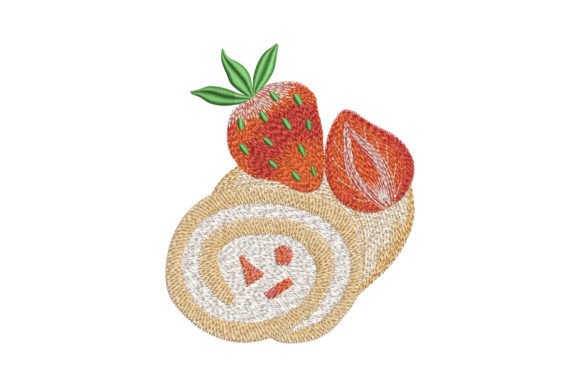
The moment you load the embroidery file, the visual personality of Strawberry Roll stands out. The description highlights sweet, airy cream wrapping delicate sponge cake like a blanket, with ripe strawberries nestling cozily on top. This imagery translates into a design that feels incredibly inviting. It strikes a perfect balance between cute and sophisticated.
In terms of decorative strength, the design does not feel cluttered. Instead, it offers a clean, premium aesthetic that works well for a boutique brand. The mood is playful yet classic, making it versatile enough for a wide range of customers. Whether you are targeting fans of rustic charm or modern minimalism, the soft curves of the "cream" and the vibrant pops of the "strawberries" create a visual harmony that is hard to ignore. It feels trendy without being overly fussy, which is crucial for creating commercial embroidery pieces that appeal to broad audiences.
Applying Strawberry Roll to Apparel Collections
One of the most exciting aspects of reviewing a new design is imagining it on actual garments. For a small sweatshirt or hoodie collection, Strawberry Roll offers several compelling placement options.
- Sweatshirt Embroidery: On neutral-colored sweatshirts, such as heather grey or oatmeal, the design pops beautifully. The contrast between the soft fabric texture and the detailed stitching creates a tactile experience that buyers love.
- Hoodie Chest Placement: A standard left-chest placement allows the design to serve as a subtle logo-like element. It adds character without overwhelming the garment, making it perfect for everyday wear.
- Sleeve Accents: For a more youthful and dynamic look, placing smaller iterations of the design on the cuff or upper sleeve can add a fun detail that encourages social sharing.
- Back Designs: If the design has sufficient width, a centered back placement on an oversized garment can make a bold statement. This works exceptionally well for lifestyle product photos where the wearer is turned away, showcasing the artistry.
- T-Shirt Embroidery: On lightweight cotton tees, the design brings a touch of elegance to casual wear. It elevates a basic tee into a statement piece suitable for spring and summer seasons.
- Denim Jackets and Tote Bags: The durability and charm of the motif make it ideal for denim jackets, where it can be placed on the back pocket or collar. Similarly, on canvas tote bags, it reinforces the theme of cozy, everyday luxury.
Visual Consistency and Brand Identity
For Etsy sellers and small shop owners, maintaining a cohesive brand identity is key to customer trust. Using a design like Strawberry Roll helps establish a recognizable aesthetic. The consistent use of warm tones and dessert-inspired themes can become a signature style for your shop. This visual consistency aids in product recognition, helping customers identify your items instantly in a crowded marketplace.
Furthermore, the design’s versatility supports printable mockups and social media graphics. High-quality images of the finished product on various garments can drive engagement and highlight the professionalism of your offerings. When customers see a well-executed design on multiple product types, it signals quality and attention to detail.
Practical Considerations for Production
While the artistic vision is clear, successful production requires careful technical planning. As an experienced designer, I recommend the following precautions when working with Strawberry Roll.
- Test on Scrap Fabric: Always run a test stitch-out on scrap fabric that mimics the weight and stretch of your final garment. This helps you anticipate how the design will behave during the hooping process.
- Check Stabilizer Choice: The choice of stabilizer is critical, especially for knit fabrics like fleece or jersey. A cut-away stabilizer is often recommended for stretchy materials to prevent distortion over time. Ensure your stabilizer matches the fabric texture and stretch level of your apparel.
- Review Thread Color Contrast: Pay close attention to thread colors. The creamy white stitches need a background that provides enough contrast to remain visible but not so stark that it looks harsh. On dark garments, consider using off-white or light beige threads instead of pure bright white for a softer, more integrated look.
- Confirm Hoop Size: Verify the hoop size required by the design to ensure it fits comfortably within your machine’s capabilities and your garment’s seam allowances. Avoid placing designs too close to edges where they might pucker or distort.
- Inspect Stitch Density: Examine the stitch density closely. Areas with high density may require additional backing or slower stitching speeds to prevent needle breakage or fabric damage. If the design includes dense solid fills, consider if a satin stitch outline would provide better definition.
- Compare Placement Options: Try different placements on the actual garment before committing to bulk production. What looks good on a flat lay might sit awkwardly on a three-dimensional body.
Areas to Approach with Caution
Not every surface is suitable for every design. While Strawberry Roll is robust, there are areas where you should exercise care.
- Dense Stitch Areas: Avoid overlapping dense areas with other heavy embroidery elements to prevent bulkiness.
- Stretchy Fabric: Be mindful of how the design stretches with the fabric. Test on ribbed cuffs or collars carefully, as these areas undergo significant movement.
- Dark Garments: As mentioned, thread selection is paramount here. Poor contrast can make the design disappear into the fabric.
- Curved Surfaces: Embroidering on curved surfaces like the shoulders of a hoodie can be challenging. Use appropriate hooping techniques to maintain tension and alignment.
- Tiny Lettering: If the design includes text, ensure it is large enough to be legible after washing. Tiny lettering can become illegible if the stitch count is low or the fabric is textured.
Final Thoughts on Value and Engagement
Integrating Strawberry Roll into your collection can significantly enhance the perceived value of your handmade product. Customers are drawn to designs that evoke emotion and warmth. A dessert-themed design like this taps into feelings of nostalgia and comfort, which can increase customer engagement and sales.
Before adding this to your inventory, please review the Creative Fabrica product details and licensing agreements thoroughly. Confirming the digital embroidery file specifications, such as file formats and any included instructions, ensures a smooth workflow from design to finished product. By paying attention to these details and testing rigorously, you can confidently offer a high-quality item that resonates with your audience and strengthens your position as a trusted creator in the handmade community.