Kitchen Knife Cutting Board Embroidery Review
As an embroidery designer who spends weekends setting up booths at local craft fairs and managing an online shop, I know that the difference between a "nice" design and a bestseller often comes down to practical application. You are not just selling a digital file; you are selling a finished product that stands out in a crowded market. Today, I am reviewing the Kitchen Knife Cutting Board machine embroidery design to see if it has the potential to drive sales for your handmade business.
This review is written from the perspective of someone preparing a table display. We are looking at how this design performs on physical goods like tote bags, aprons, tea towels, patches, caps, small pouches, pillow covers, and giftable items. Let’s break down the visual appeal, production viability, and strategic selling points.
First Impressions: The Visual Hook
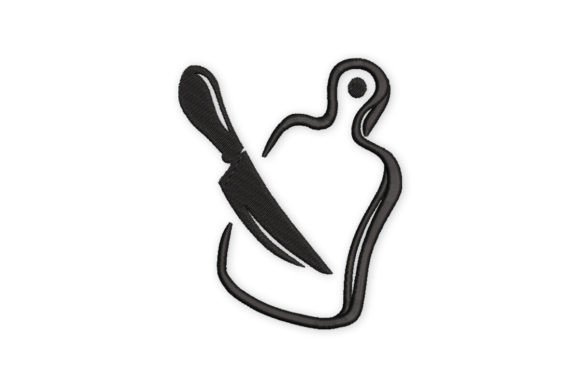
When you first load the Kitchen Knife Cutting Board embroidery file into your hoop, the immediate question is: does it grab attention? Based on the title and typical aesthetic associated with kitchen-themed designs, this piece likely leans into the popular farmhouse or rustic-modern style. In a craft fair environment, customers make decisions in seconds. A design that feels bold, clean, and decorative will stop them in their tracks.
The concept of a cutting board is inherently relatable. It suggests home, cooking, and hospitality. If the design features crisp lines representing knife handles or board textures, it reads as premium. However, if the details are too intricate, they may muddy when stitched. For a craft fair product, clarity is king. The design needs to be legible even from three feet away. Does it feel cute? Elegant? Funny? Most successful kitchen designs strike a balance—decorative enough to be art, but simple enough to be understood instantly.
Product Versatility: Where It Sells Best
One of the biggest advantages of the Kitchen Knife Cutting Board design is its adaptability. Kitchen themes are evergreen, but specific motifs can be niche. This design appears to have broad appeal. Here is how it translates across various handmade products:
- Tea Towel Embroidery: This is perhaps the strongest candidate. A well-executed kitchen scene on a linen or cotton tea towel feels luxurious and giftable. The flat surface allows the design to shine without distortion.
- Apron Embroidery: Placing the design on the bib or pocket of a canvas apron creates a functional piece of art. Ensure the placement aligns with the wearer’s chest for maximum visibility.
- Tote Bag Design: A sturdy canvas tote with this motif appeals to grocery shoppers and farmers market goers. It reinforces the "farm-to-table" lifestyle many buyers aspire to.
- Embroidered Patch: If the design has a clear border or self-contained shape, it can be digitized or stitched as a patch. These sell incredibly well on denim jackets, beanies, and backpacks, expanding your reach beyond the kitchen.
- Fabric Pouches and Pillow Covers: Small zippered pouches for utensils or decorative throw pillows allow the buyer to integrate the design into their existing decor.
For the Etsy seller or digital embroidery file creator, versatility means more listing options. You can market the same asset as a kitchen accessory, a gift for housewarmings, or a unique home decor accent.
Photography and Online Presentation
In the digital marketplace, your printable mockup is everything. The Kitchen Knife Cutting Board design should photograph beautifully against neutral backgrounds like white wood, slate, or soft pastels. Because the subject matter is domestic, styling shots with fresh herbs, wooden spoons, or ceramic bowls enhances the narrative. When creating your design assets, ensure the contrast is high so customers can see the stitch work clearly in thumbnail images.
Production Reality Check: Practical Considerations
Passion sells, but production efficiency makes profit. Before committing to bulk runs for a weekend market, consider these technical factors.
Stitch Density and Detail
Examine the stitch density closely. Designs with tiny details or thin lines can lose definition if the fabric moves during stitching or if the thread tension is off. If the design includes small lettering or fine knife edges, test it on scrap fabric first. Dense areas might require a higher quality thread to prevent sheen issues or breakage. If the design relies on negative space (unembroidered areas) to define shapes, ensure your stabilizer choice supports this without causing puckering.
Fabric Texture and Color Contrast
The success of this design hinges on thread colors and fabric choice. On a textured flour sack towel, dark threads might get lost. On a dark navy apron, light threads pop. Always compare your chosen thread palette against the actual fabric swatch under natural lighting. Avoid low-contrast combinations unless the design has bold outlines.
Hoop Size and Placement
Confirm the recommended hoop size for the Kitchen Knife Cutting Board. If it requires a large hoop, it may limit where you can place it on smaller items like caps or small pouches. Curved surfaces, such as the front of a baseball cap, present a challenge. If the design is wide, it may distort. In such cases, consider digitizing a smaller version or using it only on flat garments like t-shirts or tablecloths.
Selling Strategy for Craft Fairs and Boutiques
When setting up your booth, use the Kitchen Knife Cutting Board design to create a cohesive collection. Group a tea towel, a matching potholder, and a tote bag together. This encourages bundle purchases. Buyers love seeing how a single theme can decorate multiple aspects of their home.
Focus on the emotional benefit. You are not just selling an embroidered cutting board image; you are selling the idea of a warm, inviting kitchen. Highlight the commercial embroidery quality in your descriptions. Mention that each item is hand-stitched with care, adding value over mass-produced imports.
Batch Production Tips
If you plan to produce these in batches, streamline your process. Pre-cut your fabric to the exact dimensions needed for the hoop. Use cut-away stabilizer for stretchy fabrics like jersey t-shirts, and tear-away for stable wovens like cotton tea towels. Consistency in your finishing touches—such as trimming loose threads and pressing the final product—is what separates a hobbyist from a professional small shop product.
Final Verdict
The Kitchen Knife Cutting Board embroidery design offers strong potential for embroidery business owners looking to capitalize on the home and kitchen niche. Its thematic relevance ensures steady interest, while its likely versatile layout allows for use on a wide array of finished products.
To maximize success:
- Test rigorously: Stitch on every type of fabric you intend to sell.
- Check licensing: Confirm commercial rights before selling finished goods.
- Optimize visuals: Create high-quality photos that showcase the texture and detail.
- Diversify applications: Don’t limit yourself to kitchen items; explore apparel and accessories.
By paying attention to these details, you can turn this design into a standout item that captures customer attention and drives sales at your next craft fair or online store launch.