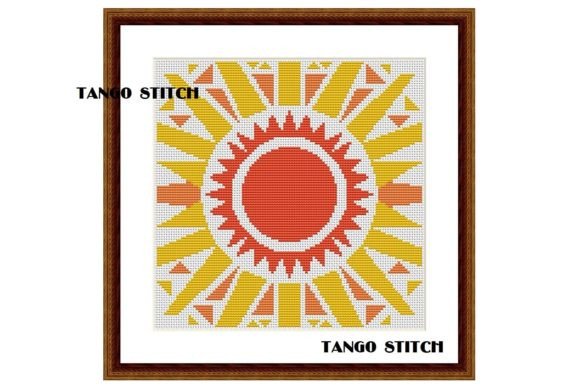
Geometric Sunshine Cross Stitch Pattern Review
As a designer who spends half the day staring at screens and the other half trying to keep thread from tangling, I approach every new pattern with a mix of optimism and skepticism. The market is flooded with designs that look great in a thumbnail but fall apart when you actually try to stitch them. That is why I took a close look at the Geometric Sunshine Cross Stitch Pattern before committing it to my own workbench or client projects. This isn’t just another pretty picture; it is a functional asset for anyone looking to add a touch of summer warmth to their handmade goods.
The first thing that strikes you about this design is its mood. It feels bright, optimistic, and undeniably cheerful without being overwhelming. In the world of Cross Stitch Patterns, geometric shapes can sometimes feel rigid or cold, but this one manages to balance structure with a soft, inviting energy. It fits perfectly into the current trend of modern, minimalist home decor while still retaining that cozy, handmade charm that customers love. If you are an Etsy seller or run a small craft business, you know that visual appeal is the first step in conversion. This design delivers on that front immediately.
Real-World Application: From Screen to Stitch
I often test designs by imagining them on specific products before I even pick up a needle. For the Geometric Sunshine Cross Stitch Pattern, my immediate thought was a custom embroidered tote bag. There is something inherently summery about carrying a canvas bag with a sunny motif, especially when paired with natural linen or organic cotton fabrics. The clean lines of the geometry would hold up beautifully against the texture of a heavy-duty tote, creating a nice contrast between the structured design and the rugged material.
However, the versatility here extends far beyond bags. I see this design thriving as a sweatshirt embroidery piece on a light heather grey crewneck. The geometric nature allows it to sit well on the chest pocket area or centered on the back, offering a subtle pop of color that doesn’t scream for attention but adds personality. For those dealing with baby embroidery, this pattern is equally compelling. Imagine it stitched onto a muslin burp cloth or a simple onesie. The "easy" aspect mentioned in the description suggests that the chart is straightforward, which is crucial for smaller projects where fiddly details might get lost or become frustrating to execute.
Another strong use case is kitchen towel designs. Summer is peak season for hosting, and a set of tea towels featuring this sunny motif could be a fantastic gift item or boutique product. The geometric shape likely translates well to the rectangular format of a kitchen towel, providing a balanced composition that looks professional and finished. Whether you are making these for a local craft fair or selling them as part of a larger digital bundle, the design has that "gift-ready" quality that drives sales.
Design Analysis and Visual Impact
From a technical standpoint, the layout of the Geometric Sunshine Cross Stitch Pattern seems designed for clarity. Geometric designs rely heavily on symmetry and precise placement. When executed well, they convey a sense of order and professionalism. Poor execution, however, can make a design look messy or amateurish. This pattern appears to avoid that pitfall by keeping the elements distinct and readable. The visual personality is modern yet accessible, appealing to a broad audience that might not be traditional cross-stitch enthusiasts but appreciates the aesthetic of handmade art.
This clarity directly impacts product value. A well-executed geometric design suggests care and precision, which builds customer trust. When a buyer sees a finished product that looks sharp and intentional, they are more likely to perceive it as high-quality. This is particularly important for commercial embroidery projects where brand consistency matters. If you are building a brand around summer vibes, coastal living, or modern farmhouse decor, this design aligns perfectly with those themes. It enhances your brand consistency by offering a recognizable style that ties your collection together.
The design also plays well with different thread colors. While the pattern likely comes with a suggested palette, the geometric nature allows for customization. You could swap out bright yellows for muted golds for a more sophisticated look, or use vibrant oranges for a bolder statement. This flexibility is a huge plus for personalized gifts where you might want to match the stitching to a recipient’s favorite color.
Where to Use Caution
Despite its strengths, no design is perfect for every situation. I need to highlight a few areas where you should exercise caution when using the Geometric Sunshine Cross Stitch Pattern.
- Small Hoop Sizes: While the design is described as easy, if you attempt to stitch it in a very small hoop, you risk losing detail. Ensure the final size of your project allows enough space for each stitch to be visible and distinct.
- Textured Fabrics: Avoid stitching this on highly textured fabrics like heavy bouclé or thick chenille. The geometric lines require a relatively smooth surface to maintain their crispness. If the fabric is too uneven, the pattern may distort, ruining the clean aesthetic.
- Stretchy Fabrics: Unless you are using a proper stabilizer, stretchy materials like jersey knit can cause the stitches to pucker or shift over time. This design relies on straight lines, so any distortion will be immediately noticeable.
- Dense Stitch Areas: Check the density of the central sun element. If it is too dense for the fabric weight you are using, it could lead to stiffness or difficulty in stitching through multiple layers.
- Curved Surfaces: Applying this to curved surfaces like caps or hats requires careful planning. Geometric designs can look distorted if not mapped correctly onto a curve. Test this thoroughly before committing to a full production run.
Practical Designer Notes for Success
Before you rush into production, there are several steps I recommend taking to ensure the best results. First, always test the design on scrap fabric that matches the type you plan to use for the final product. This helps you gauge how the threads interact with the fabric and whether the colors appear as expected under different lighting conditions.
Second, check thread color contrast. A common mistake is choosing threads that blend too much with the fabric background, making the design hard to read. The Geometric Sunshine Cross Stitch Pattern likely benefits from high contrast to emphasize its shapes. Consider running a black-and-white mockup to verify that the design remains legible without the aid of color.
Third, inspect the stitch density and confirm the appropriate hoop size. If you are converting this hand embroidery chart into a machine-friendly format, pay close attention to the transition between different stitch types. If the design includes elements that mimic satin stitch or fill stitch, ensure your machine settings can handle the density without breaking thread or puckering the fabric.
Finally, do not overlook the importance of licensing. If you intend to sell finished items made from this pattern, or if you are including it in a digital embroidery file pack for others to use, you must confirm the commercial rights. Many designers assume that purchasing a pattern grants full commercial usage, but this is not always the case. Clear licensing protects your craft business and ensures you are respecting the original creator’s work.
Final Thoughts
The Geometric Sunshine Cross Stitch Pattern is a solid addition to any designer’s toolkit. It offers a blend of simplicity and style that appeals to a wide range of customers. Whether you are creating custom apparel, crafting holiday embroidery gifts, or expanding your design assets library, this pattern provides a reliable foundation for beautiful work. By paying attention to fabric choice, stitch quality, and proper testing, you can transform this digital graphic into a stunning finished product that stands out in a crowded marketplace. It is a reminder that sometimes, the simplest geometric shapes can bring the most sunshine to our creative projects.