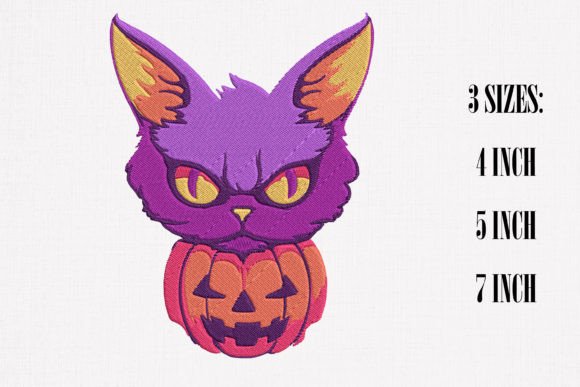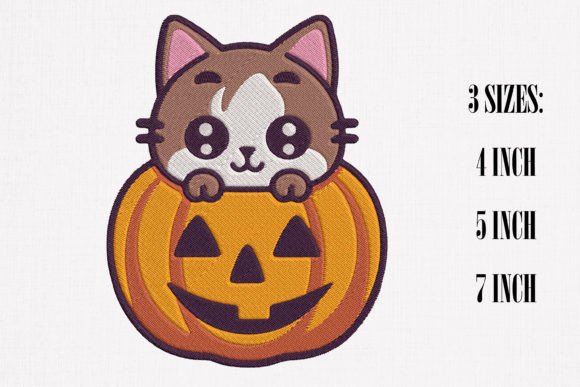
Cat in Halloween Pumpkin Embroidery Review
As a designer who spends more time looking at stitch density charts than actual pumpkins, I approach every new embroidery file with a mix of optimism and skepticism. We have all been burned by designs that look adorable on screen but turn into a tangled mess on the hoop. Today, I am putting Cat in Halloween Pumpkin through its paces to see if it holds up for real-world application. This isn’t just about whether it looks cute; it is about whether it works as a viable product for your shop, your craft fair booth, or your own holiday decor.
The First Impression: Mood and Visual Personality
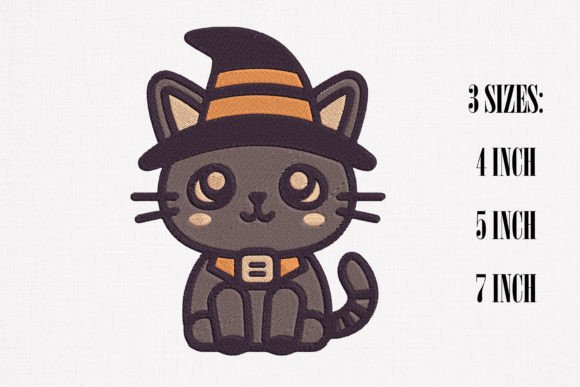
When you first load Cat in Halloween Pumpkin, the immediate takeaway is its strong seasonal character. It captures the essence of autumn without leaning too heavily into the spooky side, which makes it incredibly versatile. The composition centers around a feline subject nestled within a pumpkin motif, creating a natural focal point that draws the eye immediately. For an embroiderer, this centralization is crucial because it allows for flexible placement on garments and accessories.
The visual personality here is playful yet polished. It feels like a design meant to bring a smile rather than a shiver. This makes it perfect for customers who want to celebrate the season but prefer something cozy and charming over aggressive horror themes. From a branding perspective, this mood translates well to handmade products that aim for warmth and approachability. Whether you are targeting baby gifts or home decor enthusiasts, the aesthetic strikes a balance that appeals to a broad demographic.
Real-World Application: Where This Design Shines
I recently considered using this machine embroidery design for a custom order involving personalized tote bags and sweatshirt embroidery. The layout of Cat in Halloween Pumpkin suggests it would perform exceptionally well on these items. On a canvas tote bag, the design can serve as the main feature, anchoring the bag’s aesthetic while leaving room for complementary text or smaller accents. The sturdy nature of canvas also supports the weight of the stitches, ensuring the fabric does not pucker.
For apparel decorators working on custom apparel, this design fits seamlessly into fall collections. Imagine a crewneck sweatshirt featuring this motif centered on the chest or positioned slightly off-center for a more modern, boutique feel. The contrast between the soft texture of fleece or cotton blends and the crisp lines of the embroidery creates a tactile experience that buyers appreciate. It elevates a basic garment into a statement piece, increasing the perceived value of the finished product.
Baby’s onesies are another natural home for this design. The theme is gentle enough for nursery decor and infant wear, provided the thread colors chosen are soft and soothing. A small version of this embroidery project on a muslin swaddle or a hooded towel can become a cherished personalized gift for baby showers. The key here is scale; ensuring the design is appropriately sized for tiny limbs ensures comfort and prevents irritation, making it a safe recommendation for parents.
Technical Considerations and Stitch Quality
In my experience, the success of any embroidery file often comes down to stitch density and detail management. When evaluating Cat in Halloween Pumpkin, I looked closely at how the fill stitch areas transition into satin stitch details. If the density is too high, the fabric may become stiff and unwearable. If it is too low, the underlying material might show through, ruining the clean look expected in high-end handmade products.
Running stitch elements, if present for whiskers or fine outlines, need to be precise. Loose running stitches can snag easily, particularly on items that will undergo frequent washing, such as kitchen towels or aprons. Therefore, checking the stability of these finer points is essential before committing to mass production. A well-executed design should maintain its integrity after multiple wash cycles, retaining its shape and color vibrancy.
Thread colors play a massive role in bringing this design to life. The contrast between the orange of the pumpkin, the black or dark tones of the cat, and the background fabric must be carefully managed. On light fabrics, the design pops vividly. However, on darker backgrounds, you may need to use a stabilizer or underlay to ensure opacity. Always test your thread choices against your actual fabric stock to avoid muddy results.
Where to Exercise Caution
While this design is versatile, it is not suitable for every surface. I would advise caution when attempting to embroider this on curved surfaces like caps or hats. The curvature can distort the circular nature of the pumpkin, making the cat appear stretched or misaligned unless you use a specialized cap frame and adjust the design accordingly. Similarly, textured fabrics like heavy terry cloth or boucle can obscure the finer details of the embroidery, leading to a loss of definition.
Thin fabrics are another area where care is needed. Without proper support, delicate materials may pucker around the denser stitch areas. Using the right stabilizer is non-negotiable here. Whether you choose tear-away or cut-away stabilizer depends on the fabric type and the final use of the item. For stretchy fabrics like jersey knits, a cut-away stabilizer is usually recommended to prevent distortion over time.
Avoid placing this design on items that require extreme durability without reinforcement. Decorative accents on items subjected to heavy friction, like the cuffs of work gloves, might wear down faster than the rest of the garment. Ensure that the intended use matches the structural limitations of the design.
Impact on Brand and Customer Trust
For Etsy sellers and small shop owners, the quality of your digital embroidery file directly impacts customer trust. A clean, well-structured design reflects professionalism. When customers receive a finished product that looks sharp and professionally executed, they are more likely to leave positive reviews and return for future purchases. Cat in Halloween Pumpkin, if stitched correctly, contributes to a cohesive brand identity that values quality and attention to detail.
Furthermore, the versatility of this design allows for creative marketing. You can create printable mockups showing the design on various products—pillow covers, tea towels, patches—to give potential buyers a clear idea of its application. This transparency helps manage expectations and reduces the likelihood of returns due to mismatched visions. By showcasing the design in diverse contexts, you demonstrate its value as a multi-purpose asset.
Practical Designer Notes Before You Stitch
Before adding Cat in Halloween Pumpkin to your commercial inventory, follow these practical steps:
- Test on Scrap Fabric: Never assume a design will work perfectly on your target material. Always run a test stitch-out on scrap fabric to check tension and alignment.
- Check Hoop Size: Confirm that the design dimensions fit comfortably within your standard hoop sizes. If the design is large, ensure you have the capability to handle multi-hoop sequences if necessary.
- Review Stitch Density: Inspect the file for overly dense areas that might cause needle breakage or fabric damage. Adjusting density in your software can sometimes save a problematic design.
- Confirm Licensing: If you plan to sell finished items, verify the license terms associated with the digital embroidery file. Some licenses restrict commercial use or require attribution.
- Black and White Mockup: View the design in grayscale to ensure that the contrast levels are sufficient for visibility, regardless of the thread colors you choose.
By taking the time to evaluate Cat in Halloween Pumpkin thoroughly, you ensure that your final product meets the high standards your customers expect. This design has the potential to be a standout addition to your fall collection, offering both charm and commercial viability. Just remember that good embroidery is as much about preparation and precision as it is about the design itself. Happy stitching.