A Monogram: A Designer’s Review for Real Projects
As an embroidery designer, I am constantly on the hunt for designs that balance aesthetic appeal with technical reliability. When browsing Creative Fabrica embroidery collections, I often look for pieces that can seamlessly transition from a personal hobby project to a high-quality commercial product. Recently, I evaluated a specific design titled A Monogram, categorized under Wedding Monogram and Embroidery. This review explores whether this digital asset is worth integrating into your workflow for handmade products, Etsy listings, or boutique merchandise.
First Impressions: Visual Mood and Design Personality
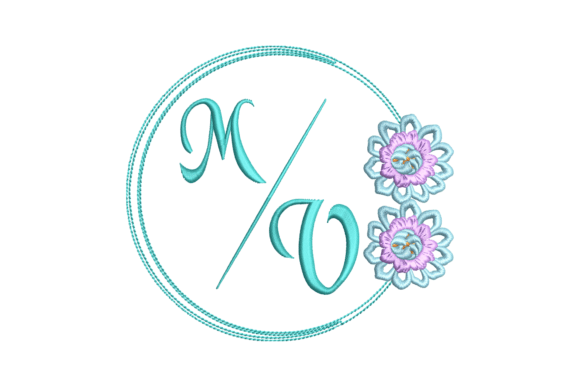
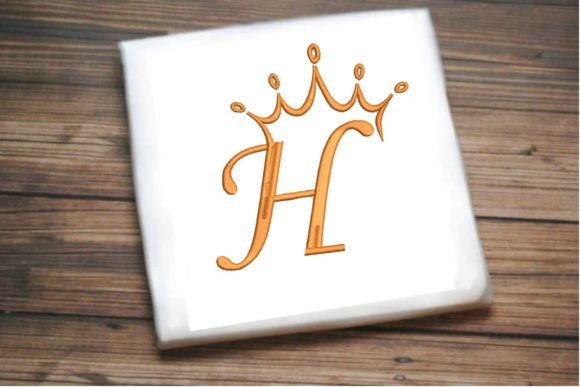
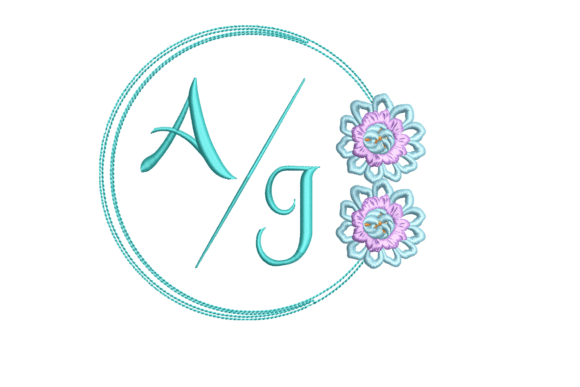
The first thing that strikes you about A Monogram is its inherent elegance. It is not merely a collection of letters; it is described as an art form that elevates any fabric. Visually, the design exudes charm and sophistication, making it an ideal candidate for projects where presentation matters. The decorative appeal is subtle yet impactful, suggesting that this embroidery file will perform well in contexts ranging from intimate baby gifts to formal wedding favors.
For designers, the visual mood is crucial. This monogram feels timeless. It does not rely on trendy, fleeting aesthetics but rather on classic structure and flow. This makes it a versatile addition to your library of design assets. Whether you are creating a personalized gift for a bride or a custom apparel piece for a client, the design naturally fits into a narrative of quality and care.
Performance in Real-World Embroidery Projects
Testing a design on paper is one thing; seeing how it translates to physical fabric is another. I considered how A Monogram might perform across various common product categories:
- Custom Apparel and Sweatshirt Embroidery: The design’s versatility allows it to sit comfortably on the chest of a sweatshirt or the cuff of a sleeve. Its clean lines likely translate well to heavier fabrics, providing a crisp finish that enhances the garment’s value.
- Tote Bag Design and Aprons: For everyday carry items like tote bags or kitchen towels, a monogram adds a touch of personalization that buyers love. The description notes that the design applies well to cotton and linen, which are standard materials for these items. The elegant nature of the design ensures it doesn’t look out of place on functional household goods.
- Baby Items and Nursery Decor: Softness and delicacy are key here. If A Monogram utilizes fine details, it can add a luxurious feel to baby blankets or pillow covers. The charm mentioned in the product description aligns perfectly with the sentimental value parents place on nursery decor.
- Embroidered Patch and Caps: While caps present a curved surface challenge, a well-structured monogram can anchor a cap’s front panel beautifully. Similarly, as an embroidered patch, the design’s self-contained elegance could work well for brand logos or uniform accents.
Technical Considerations and Stitch Quality
When evaluating any machine embroidery design, stitch density and detail level are paramount. Since specific stitch counts and file formats were not provided in the initial description, it is imperative to inspect the file closely before production. Look for areas where satin stitches may crowd together, which can lead to puckering, especially on stretchy fabrics.
The description highlights that the design works with cotton, linen, and silk. These fabrics have different behaviors. Silk requires a lighter touch and potentially a finer thread to avoid visible perforation, while denim or heavy cotton may require a more robust stabilizer. Pay attention to the stitch density; if the monogram features intricate lace-like details, ensure your machine can handle the precision without breaking thread.
Practical Application Notes for the Embroidery Artist
To ensure the best results when using A Monogram, consider the following practical steps during your pre-production phase:
- Test on Scrap Fabric: Always run a test stitch-out on the exact fabric you plan to use. This helps you gauge how the threads interact with the material’s texture.
- Check Thread Color Contrast: Elegance often relies on contrast. Ensure that your chosen thread colors stand out appropriately against the fabric. On dark fabrics, light threads may need multiple passes or a backing layer to achieve opacity.
- Confirm Hoop Size: Verify that the final design dimensions fit within your intended hoop size. Attempting to embroider a large monogram on a small hoop may require digitizing adjustments or multi-hooping, which can affect alignment.
- Use Proper Stabilizer: The choice of stabilizer is critical. For woven fabrics like linen, a cut-away stabilizer provides lasting support. For knits or stretchy materials used in custom apparel, a tear-away or wash-away stabilizer might be preferable depending on the desired finish.
- Inspect Small Details: After stitching, examine the smallest elements of the monogram. Are the curves smooth? Is the satin stitch coverage even? Are there any loose threads or gaps in the fill stitch areas?
Impact on Product Value and Brand Trust
In the world of handmade commerce, the finished product is your primary marketing tool. A high-quality monogram significantly boosts perceived value. When a customer receives a personalized gift with a flawlessly executed monogram, it signals professionalism and attention to detail. This directly influences buyer trust and encourages positive reviews.
Furthermore, a consistent aesthetic helps build brand identity. If you specialize in wedding stationery or bridal party gifts, incorporating a sophisticated monogram like A Monogram reinforces your niche. It allows for cohesive printable mockups and photography, making your Etsy listings or social media posts more visually appealing. Customers engage more with products that look curated and polished.
Commercial Licensing and Usage
Before selling finished items made from this digital embroidery file, it is essential to review the licensing terms on the Creative Fabrica product page. Different creators offer different terms regarding commercial use. Some may allow unlimited sales of physical goods, while others may have restrictions on the number of units or require attribution. Confirming these details protects your business and ensures ethical use of design assets.
Conclusion
A Monogram presents itself as a refined and versatile option for embroidery designers looking to add elegance to their portfolio. Its potential to enhance a wide range of fabrics, from delicate silk to sturdy cotton, makes it a valuable tool for creating everything from tote bag designs to luxury handmade products. By taking the time to test the design, verify technical specifications, and adhere to proper embroidery practices, you can leverage this monogram to create stunning, marketable items that resonate with customers. As always, due diligence on file details and licensing remains the cornerstone of successful commercial embroidery ventures.